
How to Select Tomato Seeds for High Yield Without Ignoring Fruit Quality
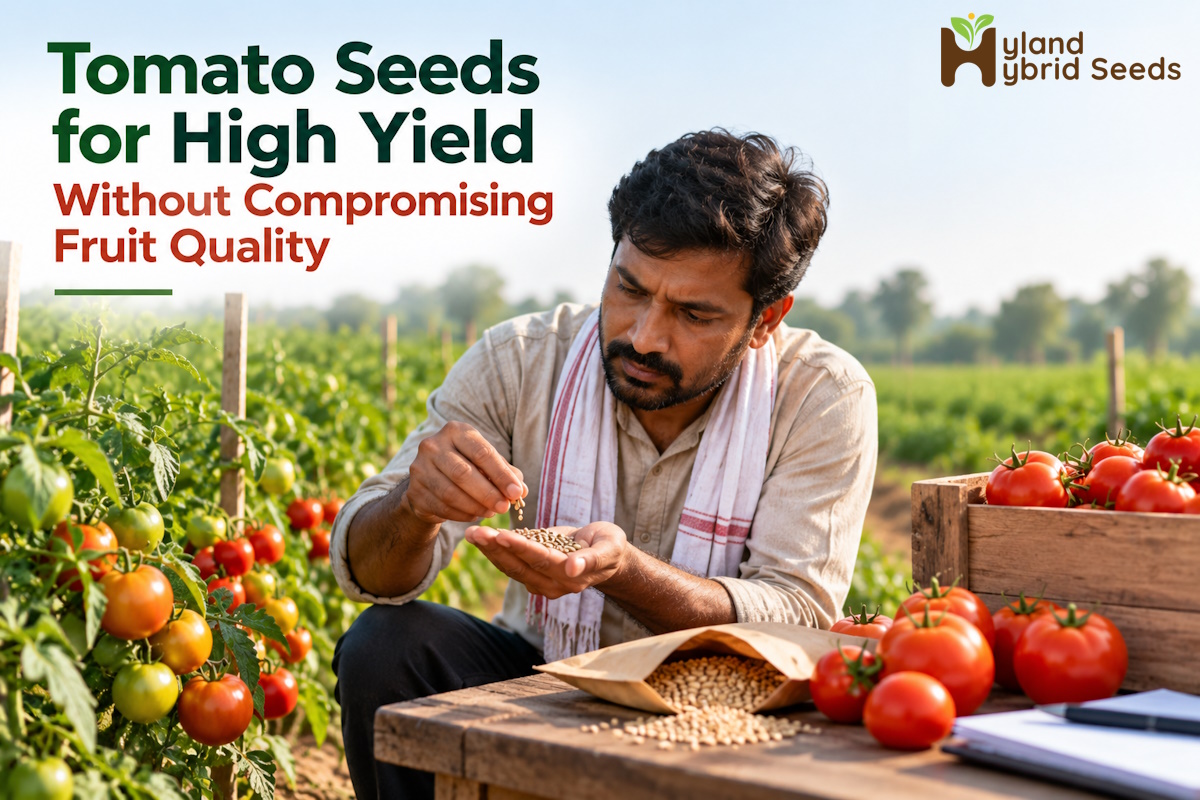
Every commercial grower understands the pressure of selecting the right crop inputs before the season begins. When browsing seed catalogs or consulting local distributors, the primary urge is naturally to hunt for the highest ton-per-acre promises. Yet, many experienced growers have lived through the painful scenario where a field generates immense tonnage, only for the produce to suffer severe discounts at the wholesale market because the fruits turned soft, bruised during transport, or developed uneven ripening. Maximizing farm revenue is never simply about vegetative volume; it is about producing harvest crates that buyers actively compete to purchase.
Making a sound investment in tomato seeds for high yield requires evaluating genetic productivity alongside non-negotiable physical fruit characteristics. High harvest weight means very little if twenty or thirty percent of the harvest gets discarded during grading or loses its structure on the journey to distant consumption centers. By understanding how plant genetics interact with field stress, soil dynamics, and local market preferences, commercial growers can choose hybrids that provide exceptional picking volume while maintaining the firm texture, deep color, and uniform grade that command premium prices.
The Critical Balance Between Total Biomass and Marketable Quality
A common trap in High yield commercial tomato hybrids cultivation is confusing gross biological yield with marketable yield. A crop may set an extraordinary number of fruits per plant, but if those fruits fail to meet trade standards, net returns plummet rapidly.
Understanding Total Harvest Volume vs. Marketable Crates
When agronomists analyze field profitability, the focus always lands on marketable crates per acre rather than raw plant biomass. High fruit set is advantageous only when the hybrid possesses the vascular strength to nourish those fruits to optimal market size. In varieties where fruit setting outpaces plant nutrition capacity, growers frequently experience small, undersized tomatoes during the third and fourth pickings. Selecting balanced hybrid tomato seeds guarantees that fruit size remains consistent across multiple flushes, preventing sharp declines in grade as the harvesting cycle advances.
Fruit Firmness, Pericarp Thickness, and Internal Structure
In wholesale produce markets, physical durability dictates price stability. Fruits must endure field harvesting, crate stacking, rough transit over rural roads, and several days in regional distribution chains before reaching consumers. Key physical traits to evaluate include:
-
- Pericarp thickness: A dense outer wall provides structural integrity, preventing fruit collapse under stacking weight.
-
- Locular gel retention: Hybrids with stable locular structure hold moisture without making the outer skin spongy.
-
- Skin elasticity: Tough yet tender skin prevents micro-cracks that allow fungal entry during rainy or humid spells.
-
- Pulp density: Dense internal meat maintains firmness even when field temperatures spike near maturity.
Visual Appeal: Color Uniformity and Calyx Freshness
Market buyers make rapid assessments based on external appearance. Tomatoes showing green shoulders, yellow blotches, or uneven ripening face instant price penalties. Modern high yield tomato varieties are bred with uniform ripening genes that allow fruits to develop an attractive, deep red color simultaneously throughout the tissue. Furthermore, varieties that hold a fresh, green calyx after detachment signal vitality and freshness to premium retail buyers.
Evaluating Growing Conditions: Soil, Climate, and Seasonal Timing
Genetics express their full yield potential only when matched accurately to local environment parameters. A hybrid that performs brilliantly in dry, mild conditions may suffer catastrophic blossom drop or fruit cracking under humid, tropical rainfall.
Soil Dynamics and Root Architecture
The performance of any tomato crop begins beneath the surface. Deep, well-drained sandy loams and clay loams provide the optimal balance of moisture retention and aeration. For heavier soils prone to moisture stagnation, selecting a hybrid with an aggressive, deep-penetrating taproot and fibrous secondary root system is essential. Strong root vigor facilitates steady calcium uptake, which is the foundational nutrient needed to build thick cell walls and prevent physiological disorders such as blossom end rot.
Heat Tolerance and Fruit Setting Stability
High ambient temperatures present one of the greatest obstacles to consistent tomato production. When day temperatures exceed 35 degrees Celsius or night temperatures remain above 24 degrees Celsius, many conventional varieties suffer from pollen sterility and flower abortion. Choosing an adaptable hybrid tomato variety bred for heat tolerance ensures steady fruit setting throughout hot spells, preserving yield continuity when open-market supplies contract and farmgate prices rise.
Disease and Pest Tolerance: Protecting Yield Consistency
Yield potential remains purely theoretical if foliar diseases or soil pathogens defoliate the crop midway through its production cycle. Effective tomato seed selection acts as the first and most cost-effective line of defense against crop failure.
Managing Foliar Pathogens to Maintain Photosynthetic Area
Foliage is the engine that drives fruit production and protects developing clusters from intense solar radiation. Early blight, late blight, and bacterial spot can strip a crop of functional leaf area within days under warm, overcast conditions. Defoliation exposes mature green tomatoes to direct sunlight, causing sunscald, leathery skin, and pale coloration. Selecting hybrids with robust foliar disease tolerance preserves the canopy, allowing continuous photosynthesis to fill top clusters while shading ripening fruit from heat damage.
Viral Resistances and Commercial Longevity
In many vegetable-growing regions of India and overseas, Tomato Leaf Curl Virus (ToLCV) transmitted by whiteflies poses a continuous threat to commercial tomato farming. Infection during early vegetative growth can stunt plants completely, resulting in near-total yield loss. Modern hybrids featuring multi-gene tolerance to leaf curl viruses maintain vegetative vigor and fruit setting even during periods of heavy pest pressure, reducing reliance on emergency chemical sprays and ensuring the crop reaches its projected harvest duration.
Commercial Economics: Analyzing Real Return Per Acre
Every decision on the farm must ultimately justify itself on the financial ledger. Evaluating seed choices strictly by the cost per packet is an outdated mindset that frequently compromises overall net revenue.
Calculating True Tomato Yield Per Acre
When calculating practical tomato yield per acre, commercial growers must distinguish between total harvested fruit and the actual tonnage sold at grade-one pricing. Consider the financial difference when a field produces high tonnage of fragile fruit versus slightly fewer total crates of premium, transport-grade tomatoes:
-
- Low firmness variety: High initial volume, but 20 to 25 percent sorting loss due to cracking, transit bruising, and rapid softening in transit.
-
- High firmness hybrid: Consistent grading, minimal transit loss, and eligibility for distant urban wholesale markets paying premium rates.
A modest investment in superior seed genetics typically represents less than three to five percent of total production expenditure per acre, yet it governs the commercial viability of all downstream investments, including fertilizer, irrigation, labor, and crop protection.
Matching Produce Specifications to Market Demands
Different regional markets prioritize distinct fruit profiles. Some urban markets demand round, medium-sized fruits with rich red pigmentation for fresh domestic consumption, while processing corridors require square-round, high-viscosity fruits with elevated brix levels. Partnering with a reliable Hybrid Tomato Seeds Supplier allows commercial farmers and agri-dealers to access varieties bred specifically to fulfill the exact size, shape, and shelf-life metrics favored by target wholesale buyers.
Strategic Planning Steps for Selecting Your Next Tomato Hybrid
Making a successful seed choice requires methodical planning well before field preparation commences. By aligning regional growing patterns with buyer specifications, farmers can de-risk their investment and establish clear pathways to higher profitability.
Evaluating Regional Field History
Begin by reviewing the disease and pest history of your specific acreage. If bacterial wilt or root-knot nematodes have historically impacted the plot, selecting a hybrid without relevant root-zone resilience invites severe risk. Soil testing should confirm pH and salinity levels, as varieties respond differently to osmotic stress. Matching genetic vigor to known field limitations ensures the crop establishes quickly and maintains vegetative momentum.
Verifying Target Market Infrastructure
Consider the physical distance between your fields and the primary point of sale. If your crop must travel several hundred kilometers over unpaved routes to reach major metropolitan terminal markets, fruit firmness and thick pericarp walls become your primary profit drivers. Conversely, for localized farmgate sales, slightly larger fruit size and intense fresh flavor may take precedence. Always verify that your chosen hybrid fulfills the specific physical criteria demanded by the traders who finance your local produce flow.
Experienced agricultural operations often look to established seed innovators like Hyland Hybrid Seeds to identify field-tested varieties engineered for stable multi-picking performance, disease resilience, and extended market shelf life. Taking a structured, agronomic approach to seed selection transforms your cropping plan from a high-stakes gamble into a predictable commercial enterprise.
Frequently Asked Questions
How do I know if a tomato hybrid will maintain firmness during transport?
Does higher yield potential always lead to smaller fruit size in later pickings?
Can the right seed selection reduce my crop protection spray costs?
What is the most common mistake farmers make when choosing tomato seeds?