
How to Choose Muskmelon Seeds for Summer Cultivation in India
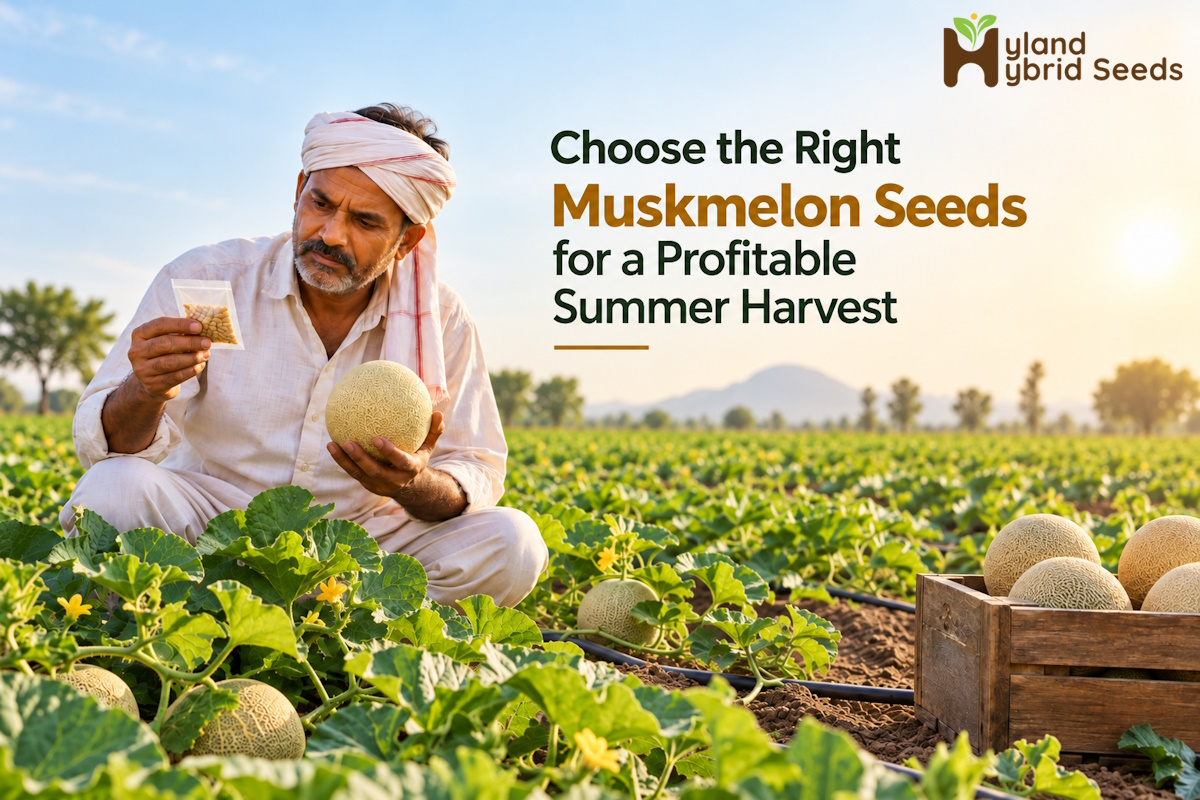
Summer muskmelon cultivation offers one of the most rewarding commercial opportunities for Indian farmers, but it also carries distinct seasonal risks. As temperatures rise rapidly between February and May, melon vines face extreme transpiration stress, intense solar radiation, and fluctuating soil moisture levels. Selecting the right muskmelon seeds for summer is the single most critical decision a grower makes, as genetics determine whether the crop can maintain vegetative cover, set uniform fruit, and deliver high sugar levels under scorching field conditions.
Many growers focus solely on theoretical yield claims without considering post-harvest durability, regional climate patterns, or local market preferences. A variety that performs well in mild conditions may suffer from fruit sunburn, cracking, or rapid flesh softening when exposed to peak summer heat. Successful commercial growers approach seed selection systematically by balancing heat tolerance, disease resistance, crop maturity duration, and produce marketability to ensure high returns per acre.
Understanding Seasonal Heat and Climate Factors in India
Muskmelon is inherently a warm-season crop, but excessive dry heat brings specific physiological challenges. In northern and central regions, summer daytime temperatures regularly exceed 40 degrees Celsius, accompanied by dry winds that deplete canopy moisture within hours. In southern and western belts, high humidity combined with elevated temperatures creates favorable conditions for both fungal pathogens and pest outbreaks during the muskmelon growing season in india.
When evaluating seed varieties, farmers must prioritize hybrids capable of maintaining active pollen viability even during peak daytime heat. Poor fruit set and blossom drop are common problems when temperatures spike during the flowering window. Hybrids bred with field heat resilience ensure continuous flowering and balanced fruit development, allowing growers to harvest complete flushes rather than sporadic, uneven fruit sets.
Key Plant Traits to Look for in Summer Muskmelon Seeds
Assessing plant architecture before purchasing muskmelon seeds saves growers from heavy crop management losses later in the season. A well-adapted summer hybrid should possess specific vegetative and root characteristics that buffer the plant against harsh field environments.
Dense Canopy Cover and Sunburn Protection
Sunscald is among the largest causes of commercial grade-out in summer melons. When direct sunlight hits exposed fruits, the skin develops bleached, dry patches that invite secondary rot and render the produce unsellable in premium markets. Growers must choose hybrid varieties with strong vegetative vigor, broad leaves, and compact internodes that provide a dense natural canopy over developing fruits throughout the maturation cycle.
Deep Root Architecture and Moisture Uptake
High temperatures accelerate soil evaporation and plant transpiration. Seed varieties that establish a deep, vigorous taproot system early in the vegetative phase access moisture and nutrients from lower soil profiles. This root strength prevents sudden midday vine wilting, maintains steady nutrient supply during fruit sizing, and optimizes water use efficiency when drip irrigation is utilized.
Evaluating Fruit Quality for Commercial Market Demand
Yield volume alone does not determine farm profit; marketable produce quality dictates the final rate per quintal at the mandi. When investing in commercial Muskmelon Seeds, farmers must assess whether the resulting fruit meets buyer standards for sweetness, appearance, and physical integrity during transport.
Rind Firmness, Netting, and Transport Durability
Long-distance transportation during hot summer months tests the structural limits of harvested melons. Fruits with thin or soft rinds quickly develop pressure bruises, internal fermentation, and skin ruptures during transit. Premium hybrids feature dense surface netting or firm ribbed rinds with a tough outer layer that resists road shock and extends shelf life by several days, giving traders confidence to transport produce across state markets.
Flesh Color, Texture, and Sugar Content
Consumer acceptance relies heavily on sweetness and internal eating quality. Summer buyers actively seek melons with consistent sweetness, measured at a minimum of 11 to 13 degrees Brix, alongside crisp, aromatic flesh. Hybrids that maintain firm internal texture without turning watery or hollow in high temperatures command superior prices from urban retail buyers and local traders alike.
Managing Pest Pressure and Disease Tolerance in Summer
Summer conditions drastically change the pest and pathogen dynamics in commercial melon fields. Choosing varieties with built-in genetic tolerance reduces emergency chemical sprays, prevents premature vine decline, and keeps input costs under control.
Tackling Powdery Mildew and Fusarium Wilt
Hot, dry daytime weather followed by cooler nights creates optimal conditions for powdery mildew, which quickly coats leaves in white fungal growth and halts photosynthesis. Similarly, warm soil temperatures increase the incidence of soil-borne Fusarium wilt, leading to sudden vascular collapse just as fruits begin sizing. Selecting tolerant hybrid muskmelon seeds provides foundational protection against these yield-limiting diseases, ensuring the vine survives until full fruit maturity.
Mitigating Sucking Pests and Viral Vectors
High summer heat accelerates the reproduction cycles of whiteflies, thrips, and aphids, all of which transmit debilitating plant viruses such as Cucumber Mosaic Virus. While no seed eliminates pest pressure entirely, vigorous hybrids with dense leaf cuticle development and strong plant immunity tolerate moderate insect feeding without immediate stunt or leaf distortion, keeping vines productive through multiple pickings.
Commercial Planning: Seed Selection, Cost, and Farm Profitability
Successful muskmelon farming requires a clear understanding of return on investment. While seed represents only a minor fraction of overall operational expenditure per acre, the quality of that seed dictates the efficiency of all other inputs, including fertilizer, irrigation, labor, and crop protection chemicals.
Hybrid Seeds versus Traditional Open-Pollinated Varieties
Open-pollinated or deshi varieties may seem attractive due to low seed cost, but they generally exhibit wide variations in fruit size, uneven ripening, and susceptibility to seasonal diseases. Modern hybrids provide distinct operational advantages for summer cultivation:
-
- Uniform maturity timing that simplifies labor scheduling and lowers harvesting expenses.
-
- Consistent fruit sizing and shape that facilitate standardized crate packing and bulk transport.
-
- Enhanced vigor that withstands environmental stress and maximizes nutrient absorption.
-
- Predictable marketable yield percentages, reducing field discards and grading losses.
Sourcing your planting material from a recognized Muskmelon Seeds Supplier ensures access to certified purity, dependable germination rates, and field-tested genetics adapted to Indian agro-climatic conditions.
Common Mistakes to Avoid in Summer Muskmelon Seed Selection
Experienced growers recognize that field errors during the seed purchase phase cannot be corrected later by fertilizers or growth stimulants. Avoiding common selection pitfalls protects your capital investment and crop stability throughout the season.
One frequent mistake is choosing long-duration varieties for late summer plantings. As the monsoon approaches, sudden unseasonal showers can split maturing fruit and trigger rapid root rot. Selecting early to medium-duration hybrids, typically maturing between 60 to 75 days, allows farmers to harvest and sell produce before erratic pre-monsoon weather arrives.
Another pitfall is ignoring specific market requirements regarding skin type and fruit color. Certain wholesale markets prefer yellow netted fruits with salmon-orange flesh, while others demand smooth green or cream-colored rinds with light green flesh. Always confirm local trader demand and mandi preferences before finalizing variety orders to ensure swift, profitable offloading at harvest.
Selecting the Right Hybrid Variety for Your Summer Season
Achieving profitable summer melon production requires aligning genetic traits with your farm environment and sales channels. Start by assessing your soil type, irrigation dependability, and target harvest dates. For lighter sandy loam soils with high drainage, select vigorous hybrids that establish deep root systems rapidly and withstand high surface temperatures.
Consult with regional agronomists, fellow progressive growers, and trusted seed specialists at Hyland Hybrid Seeds to evaluate trial performance data from your area. By investing in resilient genetics that combine heat tolerance, disease resistance, and premium eating quality, you position your commercial melon crop for maximum yield potential and superior farm profitability this summer.
Frequently Asked Questions
How do I choose the best muskmelon seeds for summer farming?
What is the ideal sowing time for summer muskmelon in India?
Why is dense leaf canopy important in summer muskmelon varieties?
How does crop duration impact summer muskmelon cultivation?