
How to Choose Watermelon Seeds for High Yield and Better Marketable Fruit Quality
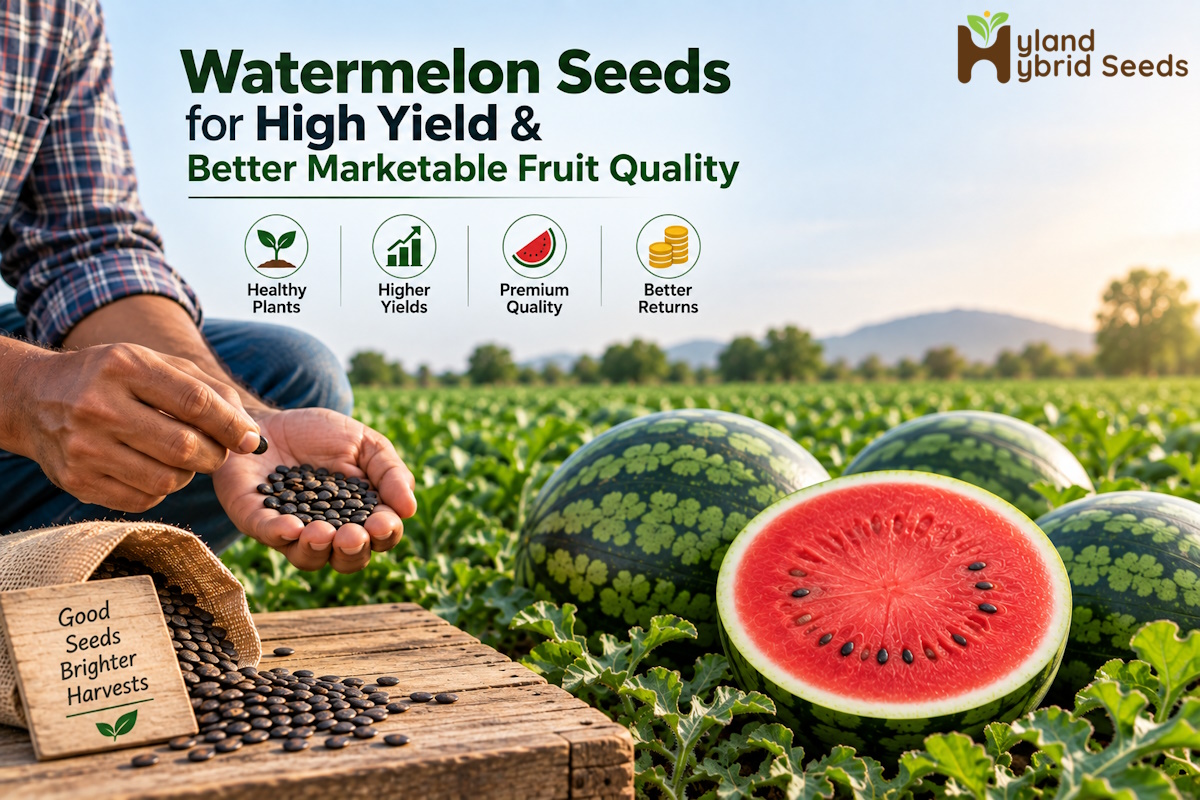
Commercial watermelon cultivation requires precise planning, disciplined field management, and careful investment decisions. For growers aiming to turn acreage into dependable profit, seed choice serves as the primary foundation for the entire crop cycle. Even with ideal irrigation, balanced nutrition, and timely pest control, a crop cannot outperform the genetic limitations of the seed planted in the soil. Farmers often face challenges such as fruit cracking, uneven ripening, hollow hearts, or poor transport durability, all of which reduce actual financial returns at the wholesale market.
Making an informed choice goes beyond simply seeking bulk volume. When evaluating watermelon seeds for high yield, growers must consider how volume translates into marketable tonnage. A heavy harvest of misshapen or easily bruised fruit will rarely command top rates from traders. By understanding how genetics interact with regional soils, seasonal climate shifts, and buyer expectations, commercial producers can select hybrid varieties that protect their investment and deliver consistent, premium-grade produce throughout the harvesting window.
Why Seed Selection Determines Commercial Farming Profitability
Every commercial grower understands that input costs continue to rise each season, making efficiency per acre essential. The choice of seed directly dictates field vigor, fruit set percentage, and the uniformity of harvest rounds.
Marketable Yield Versus Gross Field Weight
A common mistake in profitable vegetables production is confusing gross field weight with marketable yield. A field may produce substantial biomass, but if a large portion of the harvest consists of undersized, blemished, or sunburned melons, the economic yield drops significantly. Commercial buyers look for uniform fruit grading, consistent rind coloration, and intact rinds that withstand stacking. Choosing tested high yield watermelon varieties ensures that the majority of harvested fruits meet commercial market specifications, directly increasing net income per acre.
Reducing Production Risks Through Hybrid Vigour
Open-pollinated and traditional varieties often struggle when unexpected weather fluctuations or biological stresses occur during the vegetative stage. Modern hybrid watermelon seeds offer distinct hybrid vigour, resulting in stronger root establishment, faster canopy development, and enhanced nutrient uptake. This early vegetative strength protects young vines against early-season cold snaps or heat waves, allowing the crop to establish a solid frame capable of supporting heavy fruit loads.
Key Agronomic Factors in Watermelon Seed Selection
Selecting the right seed requires a clear evaluation of your farm conditions rather than relying solely on recommendations from neighboring districts. Regional differences in soil texture, seasonal temperatures, and water quality directly dictate how a variety performs in the field.
Soil Compatibility and Rootstock Vigour
Watermelon vines prefer well-drained sandy loam or alluvial soils with a neutral pH. However, many commercial farming regions feature heavier soils or areas with moderate salinity. When conducting watermelon seed selection, examine the variety root system characteristics:
- Deep Root Penetration: Helps the vine access subsoil moisture during dry spells, maintaining vine health through flowering.
- Tolerance to Heavy Soils: Varieties bred for root resilience handle temporary water retention better, reducing the occurrence of vine collapse.
- Nutrient Absorption Efficiency: Vigorous roots absorb applied fertilizers more effectively, lowering overall input wastage.
Matching Crop Duration to Sowing Windows
Crop maturity timing determines when your produce hits the market. Early-maturing varieties, typically ready in 65 to 75 days, allow growers to harvest ahead of peak market arrivals and capture early-season price premiums. Medium to full-season hybrids, maturing between 80 and 95 days, generally invest more energy into dense foliage and larger individual fruit weight. When planning your schedule alongside a trusted Vegetable Seeds Supplier, align seed maturity dates with expected local market demand spikes, such as festive periods and the peak of summer.
Evaluating Watermelon Fruit Quality for Trader Acceptance
While yield volume matters to the farmer, fruit quality determines the purchase price offered by commission agents, aggregators, and retailers. Understanding buyer preferences prevents costly marketing hurdles after harvest.
Rind Thickness and Transport Durability
Transporting watermelons from farm gates to urban wholesale centers involves rough transit over long distances. High watermelon fruit quality demands a rind that balances toughness with edible flesh recovery. If the rind is excessively thin, melons will crack and burst during transit, leading to heavy losses. Conversely, an overly thick rind reduces consumer satisfaction. Quality hybrids feature a firm, elastic rind structure that resists compression damage in transport trucks while preserving maximum interior flesh volume.
Internal Flesh Density, Color, and Sugar Content
Consumer satisfaction drives repeat orders from wholesale merchants. Modern produce markets place high importance on internal characteristics:
- Brix Levels: High sweetness, typically measured at 11 to 13 percent Brix, ensures superior consumer appeal.
- Deep Flesh Color: A deep red or intense crimson color indicates freshness and quality on retail shelves.
- Crisp Texture: Dense, firm flesh prevents granular, mushy textures, even when fruits are stored for several days before consumption.
- Absence of Hollow Heart: Stable hybrids maintain internal fruit density without internal voids, even when rapid growth occurs under warm weather.
Fruit Uniformity and Market Sizing
Traders prefer uniform crate and pile grading. Depending on regional preferences, the ideal market weight ranges between 3 to 5 kilograms for icebox types and 8 to 12 kilograms for oblong commercial melons. Varieties that yield consistent shapes, whether oval or oblong, simplify packaging, reduce sorting labor, and command premium wholesale prices compared to irregular lots.
Disease Resistance and Crop Stability in Watermelon Farming
Crop loss due to soil-borne pathogens and viral complexes remains one of the largest financial threats in commercial watermelon farming. Managing these threats starts with seed genetics rather than relying solely on chemical sprays.
Managing Soil-Borne Fungal Pressures
Intensive cropping cycles often leave fields vulnerable to soil-borne fungi such as Fusarium wilt and gummy stem blight. Once established in the field, these diseases can decimate a crop during the fruit-bulking phase. Selecting seed varieties developed with natural genetic tolerance reduces vine wilting, maintains foliage cover through harvest, and protects your capital investment from catastrophic field collapse.
Foliar Diseases and Canopy Protection
Downy mildew, powdery mildew, and anthracnose attack leaf tissue, limiting the plant photosynthetic capacity. A compromised canopy leads directly to reduced fruit sizing, lower sugar accumulation, and sunburned melons. Hybrids with strong foliar tolerance maintain healthy green leaves right up to the final picking, shielding maturing fruits from intense solar heat and ensuring continuous sugar development.
Cost Analysis: Why Quality Hybrid Seeds Justify the Investment
Many growers hesitate at the upfront cost of premium hybrid seeds compared to cheaper alternatives. However, evaluating seed costs relative to total expenditure reveals the financial wisdom of choosing quality genetics.
Seed Cost as a Fraction of Total Input Budget
In a standard cultivation cycle, seed expenses account for only a small percentage of total expenditure, which includes land preparation, mulching film, drip irrigation, nutrition, labor, and crop protection. Planting inferior seeds jeopardizes these larger investments. Investing in dependable hybrid vegetable seeds from an established Watermelon Seeds Supplier helps ensure that every rupee spent on land, fertilizer, and irrigation translates into saleable, top-grade melons.
Uniform Harvesting and Labor Efficiency
A major hidden cost in melon cultivation is harvesting labor. Uneven varieties mature haphazardly, requiring four to six manual picking passes over several weeks. In contrast, superior hybrids exhibit uniform flowering and synchronized fruit set, allowing growers to complete harvests in two to three concentrated passes. This synchronization saves labor expenses and frees the field early for subsequent crop rotations.
Common Seed Selection Mistakes to Avoid
Achieving commercial success requires avoiding common traps that lead to disappointing field results and marketing difficulties.
- Selecting Varieties Based Solely on Local Rumor: What performs exceptionally well in sandy riverbeds may underperform in black clay soils under drip irrigation. Always cross-check soil, water, and climatic compatibility.
- Ignoring Regional Consumer Preferences: Different geographic markets favor specific rind patterns, such as dark green, jubilee stripes, or light green rinds. Planting a rind style unfamiliar to your target market leads to steep price discounts.
- Overlooking Germination and Seed Vigour Rates: Low-germination seed lots create patchy plant populations, leading to weed competition and sub-optimal plant density per acre.
- Neglecting Post-Harvest Shelf Life: If your produce must travel several hundred kilometers to destination markets, selecting varieties with tender rinds and loose flesh leads to high decay rates upon arrival.
Planning Your Watermelon Crop for Better Marketable Yield
A profitable harvest begins long before the first seed is sown in nursery trays or direct-seeded into mulched beds. Start by evaluating target market demands, transit distances, and local climate patterns during your anticipated harvesting window. Review seed specifications thoroughly, focusing on root vigor, fruit firmness, Brix stability, and disease tolerance profiles. Sourcing seeds from experienced partners like Hyland Hybrid Seeds allows commercial farmers and agri-distributors to access genetically stable varieties tailored to practical field realities. When you combine proven hybrid genetics with disciplined crop nutrition and moisture management, you establish the best possible foundation for high yield, superior marketability, and dependable farming profits.