
Maximizing Yield: Why Farmers are Switching to Hybrid Tomato Seeds in 2026
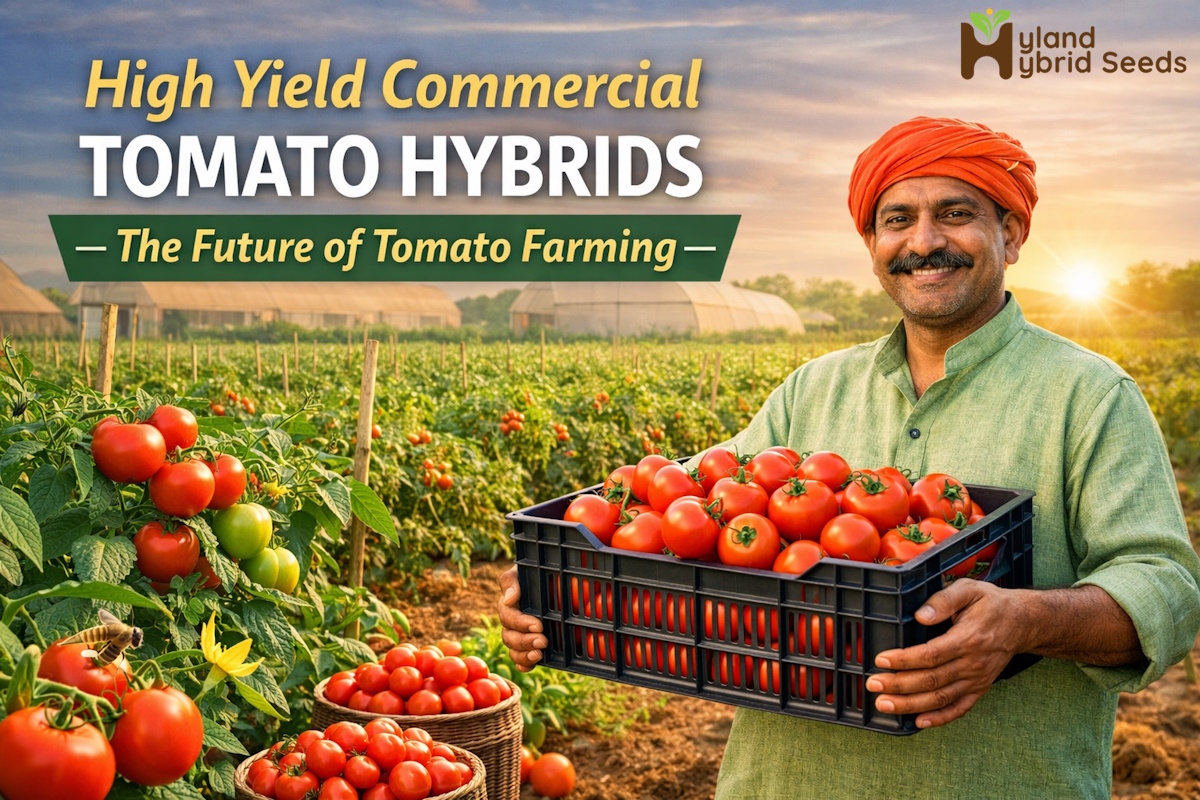
Why Hybrid Tomato Seeds Are the Future of Tomato Farming
For Indian farmers, the dream of a bountiful tomato harvest isn’t just about hard work; it’s about making smart choices. In 2026, the shift towards high yield commercial tomato hybrids isn’t just a trend, it’s a necessity. Traditional tomato varieties often struggle to compete with the disease resistance, consistent performance, and, most importantly, the yield potential of these advanced hybrids.
The goal? To get more from every acre, improve your income, and reduce the risks that come with unpredictable weather and pest pressures. This article will help you understand why farmers are making the switch, and how you can do the same.
Not sure which tomato hybrid suits your farm best?
The Yield Advantage: Why Hybrid Seeds Matter
The core of the matter is simple: tomato yield per acre directly impacts your bottom line. Hybrid seeds are developed through cross-pollination, resulting in plants that are specifically bred for superior traits. This means more tomatoes per plant, a longer harvest window, and a higher overall yield compared to older varieties.
Understanding the Yield Gap
The difference between traditional and hybrid tomato varieties can be significant. Hybrid seeds are often engineered to withstand common tomato diseases like fusarium wilt and verticillium wilt. This alone can prevent significant yield loss. Additionally, these best tomato seeds are often better at tolerating stress, ensuring consistent fruit set even under challenging conditions.
The Role of Disease Resistance
Disease resistance is a critical factor for success. In many parts of India, tomato crops face constant threats from various diseases. Choosing a hybrid with built-in resistance can save you money on fungicides and significantly reduce the risk of crop failure.
Choosing the Right Hybrid Tomato Seeds for Your Farm
Selecting the right hybrid tomato seeds is not just about choosing any seed; it’s about making a strategic decision based on your specific farm conditions. Soil type, climate, and local pest pressures all play a vital role in determining which variety will thrive.
Key Factors to Consider Before Planting
Before you plant, take a close look at your local climate and soil conditions. Some hybrids perform better in warmer climates, while others are more suited to cooler regions. Also, consider the specific diseases prevalent in your area.
Soil and Climate Compatibility
Evaluate your soil’s drainage, pH levels, and nutrient content. Certain hybrids thrive in specific soil types. Also, analyze your region’s rainfall patterns, temperature variations, and the length of the growing season to match your seed selection.
Disease Resistance Profiles
Different hybrids offer resistance to different diseases. Identify the most common diseases in your area (e.g., early blight, late blight, fusarium wilt). Choose hybrids with resistance to these diseases. This will reduce your reliance on chemical treatments and protect your investment.
Evaluating Tomato Yield Potential
Always look for seed varieties with proven, high yield potential for your region. Check the seed packets or catalogs for information on expected yields. You can also consult with local agricultural experts to get recommendations based on their experience.
Want help choosing disease-resistant varieties for your region?
Common Mistakes to Avoid in Tomato Seed Selection
Even experienced farmers can make mistakes when selecting tomato seeds. Avoiding these pitfalls can help you achieve better yields and reduce unnecessary losses.
Overlooking Disease Resistance
One of the most common mistakes is not prioritizing disease resistance. Many farmers focus solely on yield potential and overlook the importance of built-in defenses against common diseases. This can lead to significant crop losses if disease outbreaks occur.
Focusing Solely on Yield Claims
While high yield potential is important, it shouldn’t be the only factor you consider. Always balance yield with other important traits such as disease resistance, fruit quality, and market demand.
Ignoring Local Recommendations
Consulting with local agricultural experts or experienced farmers in your area can provide valuable insights. They can recommend the best varieties for your specific conditions, based on their practical experience.
The Long-Term Benefits of Investing in High Yield Commercial Tomato Hybrids
Switching to hybrid seeds is an investment, but the returns can be substantial, leading to greater profitability and sustainability.
Increased Profitability per Acre
High yield commercial tomato hybrids often lead to significantly higher profits per acre. The increased yield, coupled with reduced disease management costs, can substantially improve your bottom line.
Improved Crop Reliability and Resilience
Hybrid varieties tend to be more resilient to environmental stresses and disease pressures. This means a more consistent harvest year after year, reducing the risk of crop failure and income instability.
Enhanced Market Opportunities
High-quality, disease-resistant tomatoes are often in greater demand in the market. This can give you access to premium markets and higher prices, further boosting your profitability.
Ready to transform your tomato farming results and increase profits?
FAQs
What are the key differences between hybrid and traditional tomato seeds?
How do I know which hybrid tomato seed is best for my farm?
How does disease resistance in hybrid seeds benefit my farm?
Are hybrid tomato seeds more expensive than traditional seeds?