
Chilli Seed Variety Guide: Selecting Hybrids for High Pungency and Color
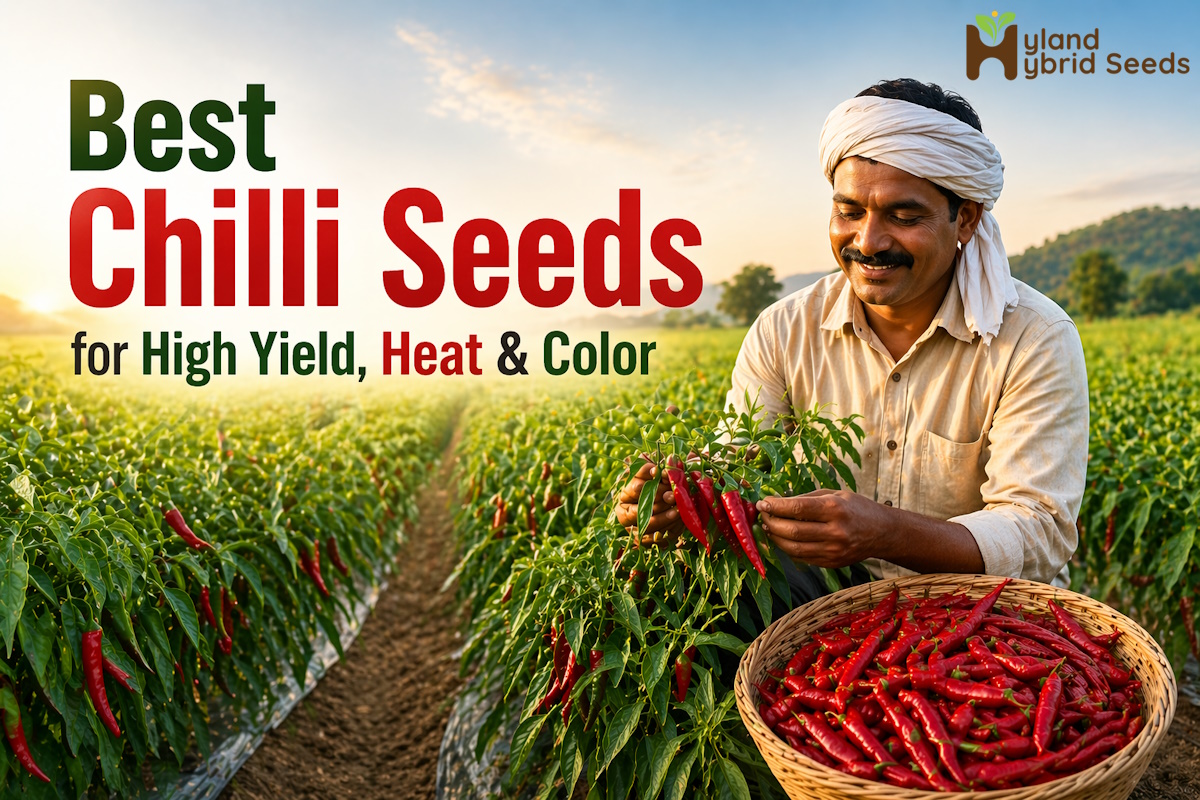
As an experienced advisor in the field of crop science, I understand the critical decisions farmers face when choosing the right chilli seed variety. The goal isn’t just about growing chillies; it’s about optimizing for high pungency, vibrant color, and ultimately, a profitable harvest. This guide will help you navigate the essential factors for selecting the ideal chilli seed varieties for your farm.
Selecting the right chilli seeds in India, especially hybrid chilli seeds, is a cornerstone of successful chilli farming. The choice you make impacts not only your yield but also the quality and market value of your crop. By focusing on key characteristics like pungency, color, and disease resistance, you can significantly increase your profitability.
Want expert advice on selecting profitable chilli seeds for your region?
Understanding the Importance of Chilli Seed Selection
Selecting the right chilli seed variety goes far beyond just planting any seeds. It’s a strategic decision that directly influences your farm’s productivity and profitability. The right hybrid chilli seeds can offer significant advantages, from higher yields to improved resistance against common diseases. Let’s delve into why this selection is so crucial.
Yield Optimization and Profitability
The primary goal for any farmer is to maximize yield. Choosing a high-yielding chilli seed variety directly translates into a higher return on investment. With the right selection, you can increase the number of chillies produced per plant and per acre. This enhanced yield directly impacts your income and profitability, making seed selection a critical factor in financial success.
Market Demand and Quality Attributes
Market demand often dictates the best chilli seed variety to grow. Varieties that offer desirable traits, such as high pungency (measured in SHU – Scoville Heat Units) and vibrant color, are typically in higher demand. When choosing chilli seeds, consider these market preferences to ensure you are growing a crop that will be easily sold and command a premium price.
Disease Resistance and Pest Tolerance
One of the most significant advantages of hybrid chilli seeds is their enhanced resistance to common diseases and pests. Disease resistance reduces the need for expensive pesticides and fungicides, cutting down on input costs. Pest tolerance also ensures that your plants remain healthy throughout the growing season, which contributes to higher yields and better quality chillies.
Key Factors to Consider When Choosing Chilli Seeds
Selecting the best chilli seed variety involves considering several key factors to ensure optimal yield and quality. Your choice should align with your farm’s specific conditions, market demands, and risk tolerance. Let’s dive into the essential factors that will guide your decision-making.
Pungency Levels (SHU)
Pungency, or the heat level of chillies, is a critical factor for many buyers. Different varieties offer varying levels of heat, measured in Scoville Heat Units (SHU). Depending on your target market, you may need a chilli seed variety with high, medium, or low pungency. Research the SHU levels of different hybrid chilli seeds to match your buyers’ preferences.
Color and Appearance
The color of chillies is a significant factor in marketability. Buyers often prefer chillies with a deep, vibrant color. When selecting a chilli seed variety, consider the color of the mature chillies. Factors like the uniformity of color and the intensity of the shade can influence market value.
Disease Resistance Profiles
Disease resistance is a crucial aspect of chilli seed selection, especially in India. Look for varieties with resistance to common diseases like bacterial leaf spot, anthracnose, and CMV (Cucumber Mosaic Virus). Hybrid seeds often offer better resistance, reducing the need for chemical treatments and increasing your chances of a successful harvest.
Climate and Soil Suitability
The best chilli seed variety for your farm also depends on your local climate and soil conditions. Some varieties thrive in hot, humid climates, while others perform better in cooler, drier conditions. Additionally, consider your soil type and ensure the selected chilli seeds are compatible with your farm’s soil composition.
Need help comparing hybrid chilli seed varieties for your soil and climate?
Comparing Hybrid vs. Traditional Chilli Seeds
Choosing between hybrid and traditional chilli seeds is a fundamental decision that can significantly affect your crop’s performance. Understanding the differences will help you make an informed choice that aligns with your farming goals.
Yield and Performance Advantages
Hybrid chilli seeds are often bred for higher yields compared to traditional varieties. They typically offer better disease resistance, faster growth, and more uniform fruit size and shape. These advantages can translate into more significant harvests and higher profitability.
Cost Considerations
Hybrid seeds usually come with a higher upfront cost than traditional seeds. However, the potential for increased yields, reduced input costs (due to disease resistance), and better market value often justifies the investment in hybrid chilli seeds.
Seed Saving and Replacements
Traditional seeds can be saved from previous harvests for future planting, but the quality and characteristics of the resulting plants may vary. Hybrid seeds are designed to offer consistent performance, but farmers typically need to purchase fresh seeds each season to maintain those benefits.
Common Mistakes to Avoid When Selecting Chilli Seeds
Making informed decisions and avoiding common pitfalls is crucial for success in chilli farming. By being aware of these common mistakes, you can optimize your chances of a profitable harvest.
Ignoring Local Climate Conditions
One of the most common mistakes is selecting a chilli seed variety that isn’t suited to your local climate. Chillies have specific temperature and humidity requirements, and choosing the wrong variety can lead to poor yields or crop failure. Always research the climate compatibility of different chilli seeds before planting.
Overlooking Disease Resistance
Another frequent mistake is neglecting the disease resistance profiles of various chilli seed varieties. If you plant a variety susceptible to common chilli diseases in your region, you risk significant losses. Always prioritize disease-resistant hybrid chilli seeds to protect your crop.
Failing to Research Market Demand
Farmers often overlook the importance of market research when selecting chilli seeds. Choosing a variety that doesn’t align with market preferences (color, pungency, size) can make it difficult to sell your harvest at a profitable price.
Beyond selecting the right chilli seed variety, implementing best practices ensures optimal growth and yield. From soil preparation to harvesting, these practices are essential.
Soil Preparation and Planting Techniques
Proper soil preparation is crucial. Ensure your soil is well-draining and rich in organic matter. Conduct a soil test to determine nutrient levels and amend the soil as needed. Follow recommended planting distances and techniques to ensure adequate sunlight and air circulation for your chilli plants.
Irrigation and Nutrient Management
Consistent irrigation is essential, especially during flowering and fruit development. Implement a drip irrigation system for efficient water use. Provide the necessary nutrients through balanced fertilization, as chillies are heavy feeders. Regular monitoring of your plants for nutrient deficiencies is vital.
Pest and Disease Management
Even with disease-resistant hybrid chilli seeds, pest and disease management is still important. Regular scouting of your crop helps detect any issues early. Implement integrated pest management (IPM) practices, including the use of beneficial insects and appropriate pesticides, if necessary.
Maximizing Profitability with the Right Seed Choice
Ultimately, the goal is to maximize profitability. The right chilli seed variety is a significant step toward achieving this.
Evaluating Input Costs vs. Output Value
Carefully assess the costs associated with your chosen chilli seed variety, including seed price, fertilizer, and pest control. Then, estimate the potential output value based on expected yield and market prices. This helps you determine your potential ROI.
Considering Market Trends and Demand
Stay informed about market trends and demand for different chilli varieties. Grow the types that are most sought after to ensure your crop is easily sold at a competitive price.
Long-Term Planning and Sustainability
Consider long-term planning and sustainability. Choose chilli seeds that allow you to rotate crops and maintain soil health. Sustainable farming practices will benefit your farm and the environment.
Ready to maximize your chilli farming profits this season?
Frequently Asked Questions
What are the main advantages of using hybrid chilli seeds?
How do I determine the right pungency level (SHU) for my chilli seeds?
How important is disease resistance when choosing chilli seed varieties?
How often should I replace my hybrid chilli seeds?