
2026 Brinjal Seeds Price vs. Profit: Why High-Yield Hybrids Deliver More Value Per Hectare
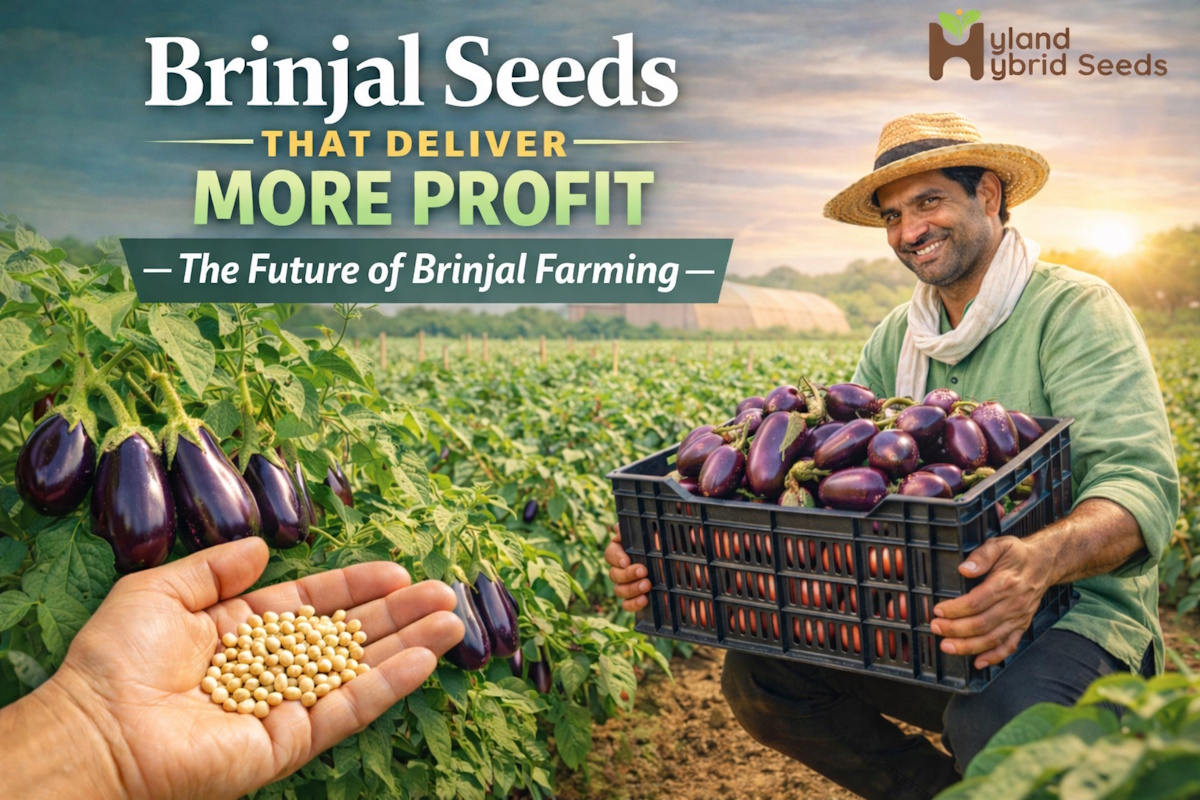
The Brinjal Seed Investment: Beyond the Price Tag
As a farmer, you know that every rupee spent on inputs must deliver a solid return. When it comes to brinjal cultivation, the initial brinjal seeds price is just one piece of the puzzle. The real measure of your investment is the profit you generate per hectare. Choosing the right brinjal seed is a critical decision that impacts not only your yield but also your overall profitability. This article will help you understand the relationship between brinjal seeds price and the ultimate value they bring to your farm.
Selecting the right brinjal variety can be complex, considering factors like disease resistance, climate suitability, and market demand. Making the wrong choice can lead to significant crop losses, reduced yields, and lower profits. Let’s explore how to make smart decisions that will help you select the best brinjal seeds and increase your income.
Understanding the Cost of Brinjal Seeds
The price of brinjal seeds varies depending on several factors. These include the type of hybrid, the seed supplier, and the region. While lower-priced seeds might seem appealing initially, they may compromise on quality and yield potential. Investing in high-quality brinjal seeds, though potentially higher in brinjal seeds price, can often lead to significantly better returns in the long run.
Factors Influencing Seed Prices
- Hybrid Type: Hybrid brinjal seeds generally cost more than open-pollinated varieties due to the advanced breeding techniques involved.
- Seed Supplier: Reputable brinjal seed suppliers invest heavily in research and development, which is reflected in their seed prices.
- Seed Quality: High-quality seeds have better germination rates and disease resistance, adding value to their cost.
The Profit Equation: Yield and Market Value
The ultimate goal of every farmer is to maximize profit. This involves more than just minimizing the brinjal seeds price; it requires a focus on yield and the market value of your crop. Higher yields translate directly to higher revenue, and the superior quality of hybrid varieties often commands a better price in the market. Disease resistance is another critical factor. Investing in disease-resistant brinjal varieties can significantly reduce the risk of crop failure and minimize the need for costly pesticides, boosting your profits.
Consider a scenario: Two farmers plant brinjal. Farmer A chooses a lower-cost brinjal variety, while Farmer B invests in a high-yielding hybrid. Despite the higher brinjal seeds price, Farmer B’s yield is 30% higher, and the quality of the brinjals is superior, allowing them to sell at a premium price. This example highlights why the brinjal seeds price should be considered in the context of the total value offered by the seeds.
Are you looking to boost your brinjal yields and profits?
Choosing the Right Brinjal Variety
Selecting the ideal brinjal variety for your farm requires careful consideration of several factors. The local climate, soil conditions, and potential disease and pest pressures must be evaluated. Understanding the market demand for different brinjal types is also essential. For example, some markets prefer long, slender brinjals, while others prefer rounder varieties. The right selection helps you achieve high yields and maximize profitability.
Key Considerations for Seed Selection
Here are key factors to consider when choosing your brinjal variety.
Climate Suitability
Different brinjal varieties thrive in different climates. Select a variety that is well-suited to your region’s temperature, rainfall patterns, and sunlight exposure. Some varieties may perform better in hotter climates, while others are more tolerant of cooler conditions. Local agricultural extension offices and experienced brinjal seed suppliers can provide valuable insights into climate-appropriate varieties.
Soil Conditions
Brinjal plants prefer well-drained, fertile soil. Before planting, test your soil for nutrient content and pH levels. Choose a brinjal variety that suits your soil type. Varieties with good root development are particularly advantageous in less-than-ideal soil conditions.
Disease Resistance
Disease resistance is paramount. Look for varieties resistant to common brinjal diseases, such as bacterial wilt and phomopsis blight. Resistance reduces the need for chemical treatments and lowers the risk of crop failure, protecting your investment. High-quality brinjal seeds often come with built-in resistance.
Yield Potential
Prioritize varieties known for their high yield potential. Research the average yield of different varieties in your region. Consider the size and weight of the brinjal fruits, as these factors impact overall yield. Consult with local farmers or agricultural experts to learn about the best-performing brinjal varieties.
Need help selecting the best brinjal seed for your farm?
Avoiding Common Mistakes
Several common mistakes can undermine a farmer’s investment in brinjal seeds. A failure to consider these factors can lead to crop failure, yield reductions, and decreased profits. Being aware of these common pitfalls will help you make better decisions and improve your farming outcomes.
Ignoring Regional Suitability
One of the most common mistakes is selecting a brinjal variety that is not well-suited to the local climate. Always prioritize varieties that have proven to thrive in your region. Choosing the wrong variety can result in poor growth, low yields, and increased vulnerability to pests and diseases.
Neglecting Soil Testing
Skipping soil testing is another mistake. Without knowing your soil’s composition, you cannot select the right variety or optimize nutrient management. Soil testing helps identify deficiencies and allows you to amend the soil to create the ideal growing conditions for your brinjal plants.
Underestimating the Importance of Disease Resistance
Failing to prioritize disease resistance can lead to significant crop losses. Diseases like bacterial wilt can decimate a crop, causing significant financial damage. Choosing disease-resistant varieties is a proactive measure that reduces the risk of crop failure and minimizes the need for chemical treatments.
Focusing Solely on Brinjal Seeds Price
As discussed, focusing only on the brinjal seeds price without considering yield potential and disease resistance is a mistake. A slightly higher investment in a superior hybrid can result in significantly higher profits due to increased yields and better fruit quality. The total return on investment is more important than the initial cost.
Making the Most of Your Brinjal Seeds Investment
Maximizing profits from your brinjal crop requires a holistic approach. It’s not just about the brinjal seeds price but also about how you manage your farm. By making informed decisions about seed selection, land preparation, and crop management, you can improve yields, reduce risks, and increase profitability. Remember that quality seeds are a foundation for success.
Consider the total cost of production. Even if the brinjal seeds price is higher, the investment can be worth it if you get increased yields. Take the time to evaluate the varieties available. Speak with other farmers, research the performance of different varieties, and choose the ones best suited to your farm. This will contribute to better harvests, greater profitability, and a more secure future for your farming operation.
Ready to explore hybrid seed options for your region?
Frequently Asked Questions
How can I find the right brinjal seed supplier?
What is the best time to plant brinjal seeds?
How can I improve my brinjal yield?
Are hybrid brinjal seeds worth the higher price?