
Wholesale Hybrid Seed Quality: 5 Critical Checks for Distributors Before the 2026 Sowing Season
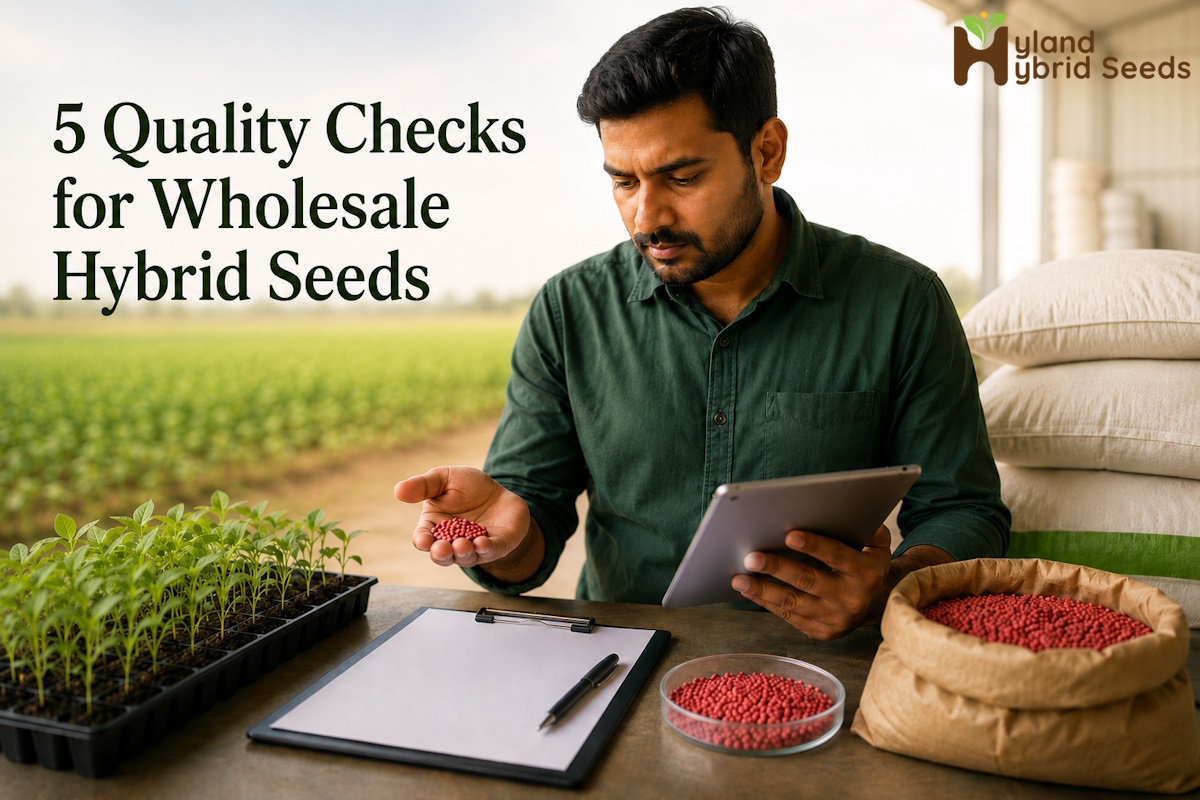
Wholesale Hybrid Seed Quality: 5 Critical Checks for Distributors
The success of any farming season hinges on the quality of the seeds planted. For distributors, the responsibility is immense: sourcing and supplying the best wholesale hybrid seeds is not just a transaction, but a commitment to the farmers’ success. As you prepare for the 2026 sowing season, it’s essential to implement rigorous quality checks. This proactive approach minimizes risks, ensures high yields, and builds trust with your farmer network. Poor-quality seeds can lead to crop failure, financial losses, and damage your reputation. Let’s explore five critical checks you must perform.
Before diving into the season, consider the impact of your seed choices. Are you confident in the hybrid seeds vs open pollinated varieties you offer? Do you know which are best suited for your region?
Preparing your seed inventory for the 2026 sowing season?
Seed Source Verification
The journey of quality starts at the source. It’s crucial to know where your seeds come from and to verify their origin. Choosing the right Hybrid Seeds Supplier helps distributors ensure consistent seed quality, reliable documentation, and better support before the sowing season.
Supplier Reputation
The first step in ensuring seed quality is to partner with reputable suppliers. Look for seed companies with a proven track record of producing high-quality hybrid crops. Check their certifications, such as ISTA (International Seed Testing Association) or other relevant industry standards. A supplier’s reputation often reflects the quality of their processes and the reliability of their seeds. This also includes proper Cotton Seed Treatment, which can be just as crucial as the origin of the seed.
Documentation Review
Always request and meticulously review all necessary documentation from your suppliers. This includes seed analysis reports, germination tests, purity certificates, and any other relevant data. These documents provide a snapshot of the seed’s quality and performance characteristics. Verify that the information on the certificates matches the seed lot you are receiving. Any discrepancies should be addressed immediately with the supplier.
Seed Testing and Analysis
Once you receive the seeds, independent testing is vital. This step confirms the quality claims made by the supplier and ensures the seeds meet the required standards.
Germination Tests
Germination tests are fundamental. They determine the percentage of seeds that will successfully sprout under optimal conditions. A high germination rate is critical for achieving the desired plant population in the field. Conduct germination tests in a laboratory or, if you have the facilities, in-house. Ensure the tests are performed according to industry-standard protocols.
Purity Analysis
Seed purity refers to the percentage of the seed lot that consists of the desired crop species. Purity analysis identifies and quantifies any inert matter, other crop seeds, or weed seeds present in the seed lot. High purity is essential to prevent contamination and ensure uniform crop growth. This is especially important when considering high yield wheat variety options.
Need help verifying seed quality before distribution?
Physical Seed Inspection
Beyond lab tests, a physical inspection can reveal much about seed quality. This includes assessing the visual appearance and overall condition of the seeds.
Visual Examination
Inspect the seeds for any signs of damage, such as cracks, splits, or discoloration. Look for any evidence of insect infestation or disease. The seeds should be uniform in size, shape, and color, which indicates a healthy and well-processed seed lot. Deviations from these characteristics can indicate quality issues.
Seed Health Checks
Check for any signs of disease or pests. Look for symptoms such as mold, discoloration, or any unusual growths on the seeds. Seed-borne diseases can significantly impact crop health and yield. If you suspect any health issues, it’s best to consult with a seed expert or plant pathologist for further analysis.
Storage and Handling Practices
Proper storage and handling are crucial to maintaining seed quality from the moment they arrive until they reach the farmer.
Storage Conditions
Store seeds in a cool, dry place away from direct sunlight and extreme temperatures. Humidity is a significant factor in seed deterioration. The ideal storage conditions for most seeds are a temperature below 20°C (68°F) and a relative humidity of 60% or less. Proper storage will preserve the viability and vigor of the seeds.
Handling Procedures
Implement careful handling procedures to prevent physical damage to the seeds. Train your staff to handle seed bags with care, and avoid dropping or mishandling the seeds during transport and storage. Proper handling will reduce the risk of seed damage.
Field Trials and Performance Evaluations
Before distributing seeds widely, consider conducting field trials to evaluate their performance under local conditions.
Small-Scale Field Trials
Conduct small-scale field trials in various locations within your distribution area. This will help you assess how the seeds perform under different soil types, climates, and farming practices. Evaluate parameters such as germination rate, plant vigor, yield potential, and disease resistance.
Feedback from Farmers
Gather feedback from farmers who have used your seeds. Their experiences and insights are invaluable. Use this feedback to identify any potential issues and to improve your seed selection and distribution processes.
Wrapping up for a successful season
By implementing these five critical checks, you can significantly enhance the quality of the wholesale hybrid seeds you distribute. This commitment to quality builds trust with farmers, improves crop yields, and strengthens your business. Remember, seed quality is an investment in the success of your farmer network.
Ready to supply trusted hybrid seeds for the 2026 season?