
How Farmers Can Choose the Right Hybrid Tomato Variety for Different Seasons
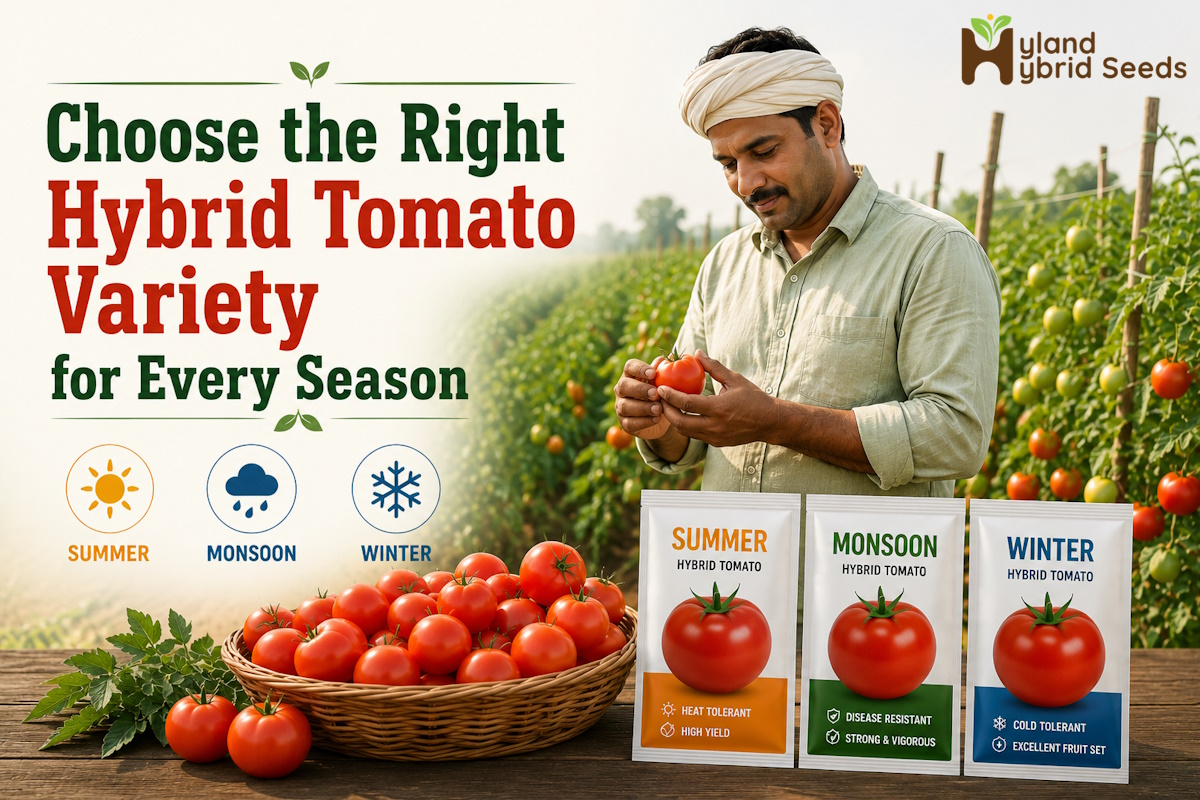
Tomatoes are among the most profitable vegetables a commercial grower can cultivate, but they are also highly sensitive to shifts in weather and climate. A sudden temperature spike, unexpected monsoon downpours, or a prolonged cold wave can easily ruin a crop, resulting in low quality and poor market value. For commercial growers, the difference between a highly lucrative harvest and a devastating loss often comes down to seed selection. Understanding how to select the right hybrid tomato variety for specific regional and seasonal requirements is the first step toward securing a consistent and high-yielding crop.
While traditional seeds may have historical value, modern commercial farming demands predictability, uniform size, and strong disease resistance. To achieve an outstanding tomato yield per acre, growers must look beyond generic seed options. Selecting seasonal varieties that align with temperature fluctuations, local pest pressures, and market demands ensures that every rupee spent on irrigation, fertilizers, and labor yields the highest possible returns. Strategic seed selection reduces the overall risk of crop failure and guarantees a reliable supply for the market.
Want the best hybrid tomato variety for your season?
The Seasonal Dilemma of Tomato Farming
Tomato cultivation is highly dependent on environmental variables, making seasonal planning absolutely essential. If a grower plants a summer-optimized variety during the cold winter months, the crop will struggle with pollination and slow fruit growth. Conversely, planting a cold-hardy variety in the scorching summer heat leads to poor fruit set and blossom drop. This is why understanding the specific genetic traits of your seeds is vital for success.
Understanding the Impact of Temperature on Tomato Cultivation
Tomatoes require moderate temperatures for optimum vegetative growth and fruit development. When temperatures exceed 35 degrees Celsius or fall below 12 degrees Celsius, the physiological processes of the plant change dramatically. High heat sterilizes pollen, leading to flower drop, while cold weather slows down photosynthesis and delays ripening. Choosing a specific hybrid tomato variety bred for climate resilience helps protect the crop during these extreme weather events, ensuring a steady harvest.
How Hybrid Seeds Overcome Environmental Stress
Unlike open-pollinated or local options, advanced hybrid tomato seeds are bred to withstand specific abiotic stresses. Plant breeders select parent plants that naturally excel in heat tolerance, drought resistance, or cold vigor. This targeted breeding ensures that hybrid plants maintain robust root systems, efficient water usage, and steady growth patterns even when weather patterns become unpredictable. This genetic advantage is what makes hybrids the preferred choice for modern commercial growers.
Comparing Options: Hybrid Tomato vs Local Tomato Varieties
When evaluating choices, growers must assess the commercial viability of hybrid tomato vs local tomato options. While local varieties might seem cost-effective initially due to lower seed prices, their long-term economic performance often falls short when compared under challenging field conditions.
Disease Resistance and Crop Stability
Local varieties are highly susceptible to major viruses like Tomato Leaf Curl Virus and fungal infections like early and late blight. A single disease outbreak can destroy a grower’s entire field, turning a planned investment into a complete loss. In contrast, choosing a certified hybrid tomato variety provides built-in genetic resistance to these damaging pathogens. This resistance ensures crop stability, reduces the need for expensive chemical sprays, and protects your investment throughout the season.
Shelf Life and Market Value
For commercial growers, post-harvest transport is a major hurdle. Local tomatoes are often soft and prone to bruising, making them unsuitable for long-distance transport to lucrative urban markets. High-quality hybrid tomato seeds produce firm fruits with thick walls and excellent shelf life. These characteristics allow farmers to transport their produce over long distances without damage, commanding premium prices and reducing post-harvest waste significantly.
Selecting the Best Hybrid Tomato Variety for the Rainy Season (Kharif)
Monsoon cultivation presents a unique set of challenges, including high humidity, waterlogging, and the rapid spread of fungal and bacterial infections. Successfully navigating this season requires a hardy plant structure and specialized genetics designed to handle wet conditions.
Managing High Humidity and Fungal Pathogens
Continuous rain creates a perfect breeding ground for diseases like bacterial wilt, damping-off, and early blight. A wet-season hybrid tomato variety must possess strong disease resistance packages. When choosing seeds, look for varieties labeled with high resistance to foliar diseases to prevent defoliation. Defoliation directly impacts fruit sizing and overall tomato yield per acre, so keeping the foliage healthy is a top priority during the monsoon.
Fruit Firmness and Rain Tolerance
Excessive rainfall during fruit development can cause tomatoes to crack or become water-soaked. Varieties with thick, elastic skin and firm flesh are less prone to cracking. Additionally, look for hybrids with strong root systems that can survive temporary waterlogged soils. Hyland Hybrid Seeds offers specialized rainy season hybrids that maintain their structural integrity and vibrant color even under challenging monsoon conditions, helping farmers secure high-quality harvests.
Want a tomato variety that performs well in your local climate and market conditions?
Choosing Hybrid Tomato Seeds for the Winter Season (Rabi)
Winter is a favorable season for growing tomatoes in many regions, but it comes with challenges such as low night temperatures, heavy dew, and slow ripening rates. Choosing a winter-adapted variety can dramatically improve harvest times and fruit quality.
Optimizing Fruit Setting in Cooler Temperatures
Cold nights can delay pollination, resulting in fewer fruits per cluster and a lower yield. A cold-tolerant hybrid tomato variety is bred to pollinate effectively in cooler conditions. This trait ensures a steady fruit set throughout the winter months, preventing a gap in market supply when tomato prices are often highly favorable for growers.
Managing Pigmentation and Sizing
Slow ripening due to low sunlight and cold temperatures can affect the development of lycopene, the pigment responsible for the deep red color buyers prefer. Winter hybrids are selected for their ability to develop deep, uniform red coloration and consistent fruit size even with fewer hours of daily sunshine, ensuring your produce remains highly attractive to wholesale buyers.
Succeeding in the Summer Heatwave (Zaid)
Growing tomatoes in the summer requires managing intense sunlight, extreme heat, and high insect pest populations, particularly whiteflies, which transmit devastating plant viruses.
Pest Pressure and Virus Management
Summer conditions cause insect populations to spike. Whiteflies spread Tomato Leaf Curl Virus, which can stunt plants and stop fruit production entirely. When comparing hybrid tomato vs local tomato performance in summer, hybrids with genetic virus resistance are essential. Without this resistance, cultivating summer tomatoes becomes extremely risky and often unprofitable for commercial operations.
Sunscald Protection and Pollination Retention
Intense summer sun can cause sunscald, leaving unsightly white patches on fruits and rendering them unmarketable. Select summer hybrids that have dense leaf canopy coverage to shade the fruits from direct sunlight. Additionally, these heat-tolerant plants are bred to retain their blossoms and set fruit even when day temperatures climb, keeping your farm productive when market supply is low.
Strategic Agronomy: Maximizing Tomato Yield per Acre
Choosing the right seeds is only the first step. To unlock the full potential of your crop and grow truly profitable vegetables, proper field management and agronomic practices must be integrated into your farm plan.
Soil Nutrition and Irrigation Management
Tomatoes are heavy feeders that require a balanced application of nitrogen, phosphorus, and potassium, along with micro-nutrients like calcium to prevent blossom end rot. Drip irrigation combined with fertigation is highly recommended for hybrid tomato cultivation. This approach ensures consistent moisture levels, preventing the sudden moisture fluctuations that cause fruit cracking and blossom drop.
Spacing and Trellising Methods
Hybrid tomato varieties often exhibit vigorous vegetative growth. Proper row-to-row and plant-to-plant spacing is vital to allow adequate air circulation and sunlight penetration, which helps keep fungal diseases at bay. Trellising plants with stakes and twine keeps the fruits off the ground, improving fruit quality, making harvesting easier, and significantly boosting overall marketable tomato yield per acre.
Farmer Guidance: Steps to Choose Your Next Seed Variety
To make an informed seed buying decision, farmers should follow a systematic approach. Do not rely solely on the advice of neighbors or look only at seed prices. Instead, evaluate the specific physical conditions of your farm and your target market.
Analyze Your Climate and Planting Timeline
Match the seed variety to the exact season you plan to transplant. Planting a winter hybrid late into the spring or a summer hybrid in the monsoon will lead to poor crop performance and reduced yield. Always check the seasonal recommendations on the seed packaging.
Identify Local Disease Pressures
If your region has a history of bacterial wilt or Tomato Leaf Curl Virus, prioritize seeds that feature strong genetic resistance to these specific issues. Spending slightly more on high-quality hybrid tomato seeds with built-in resistance is far more cost-effective than spending heavily on chemical sprays later in the season.
Understand Market Demand
Determine whether your target market prefers round, oval, or flat-round tomatoes, and whether they prioritize deep red color or extreme firmness for long-distance transport. Choosing a variety that matches local consumer preferences ensures quick sales and better profit margins.
Ready to grow a healthier, high-yielding tomato crop this season?