
How to Choose Cotton Seeds Based on Your Soil Type
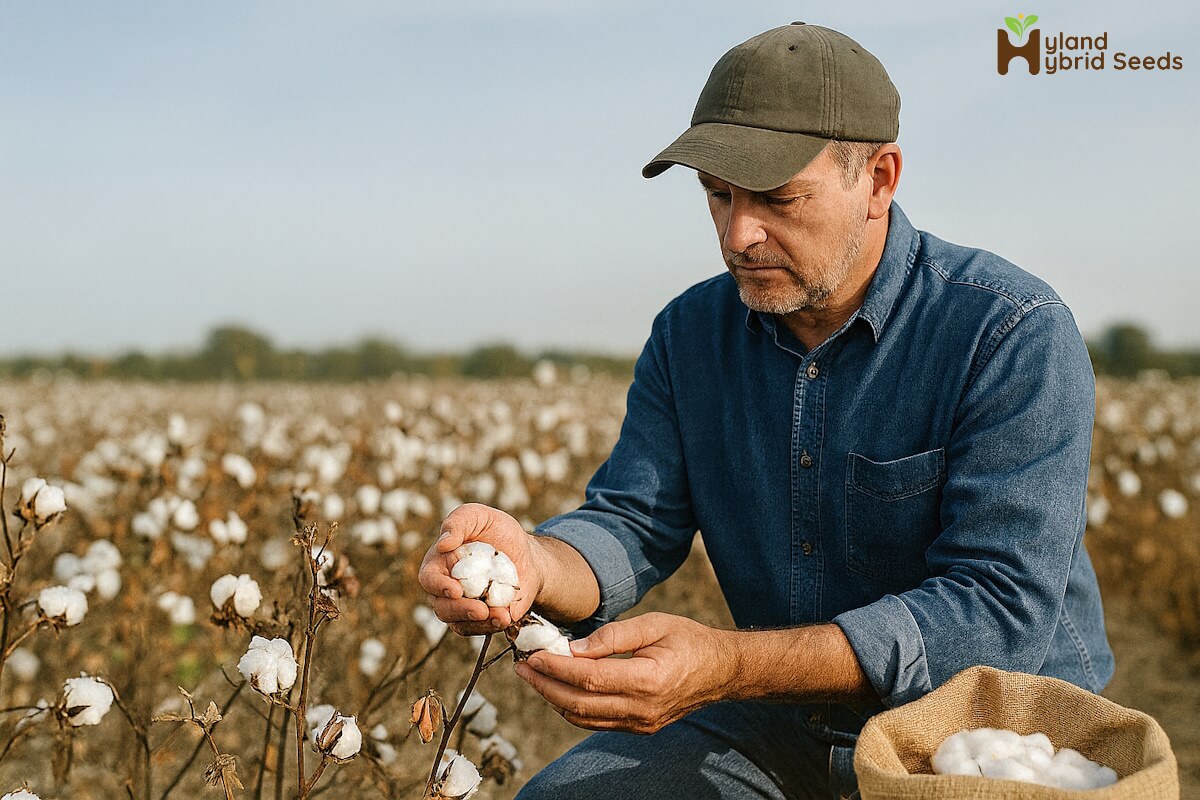
Picking the right cotton seeds might not sound like a big deal to someone outside farming. But if you’ve worked a field, dealt with unpredictable weather, or watched yields suffer because of poor seed choices, you know it’s not something to take lightly. This cotton seeds guide is here to help you break it down, especially when it comes to matching seeds with your soil type. Because honestly, not all soil is the same—and neither are cotton seeds.
Not sure where to begin with your cotton seed selection?
Why Soil Type Actually Matters
Let’s start with a simple question—what’s your soil like? Sandy? Loamy? Clay-heavy? If you can’t answer that right away, you’re not alone. But the type of soil under your boots plays a massive role in how cotton grows. Some seeds perform better in sandy soil, while others need more moisture-holding capacity or nutrient retention. Ignore this, and you’re leaving yields up to chance. Knowing your soil helps you avoid wasting money on seeds that won’t perform. It’s that straightforward.
Know Your Soil First
Before shopping for seeds, test your soil. It doesn’t cost much and can save you time, effort, and regret later. Basic soil tests will show you:
- pH levels
- Nutrient content (N, P, K)
- Organic matter percentage
- Soil texture (sandy, silty, clay, or loam)
Once you’ve got this info, matching seeds becomes way easier. Now let’s look at the common soil types and which cotton seeds work best with each.
1. Sandy Soils
Sandy soil drains fast and doesn’t hold nutrients well. It warms up quickly, which is good early in the season, but it also dries out fast. You need cotton seeds that can tolerate a bit of drought and don’t demand high fertility. What to Look For:
- Drought-tolerant varieties
- Fast early growth to beat heat stress
- Seeds with deep root development
Hybrid Cotton Seeds are often a smart choice here. Many hybrids are designed to handle tough conditions better. That doesn’t mean all hybrids will work, though. You’ll want to get the specifics from hybrid cotton seeds suppliers who’ve tested their product in sandy soils.
2. Clay Soils
Heavy and dense, clay soils hold water well but drain slowly. If you plant the wrong cotton seeds here, root rot and poor germination can become a headache. What Works Best:
- Seeds that resist fungal infections
- Varieties that don’t need perfect drainage
- Late-maturing types, especially in cooler clay soils
You also want seeds with strong seedling vigor. Clay soil can create crusting, which makes it harder for seedlings to break through. Some hybrid cotton seeds are bred specifically to power through those early challenges.
3. Loamy Soils
This is what most farmers dream of—balanced moisture, good drainage, and decent fertility. If you’ve got loam, you’ve got options. Seed Choices:
- Most cotton varieties perform well here
- You can focus more on yield potential and pest resistance
- Premium hybrid cotton seeds really shine in loamy conditions
Because loam gives you more flexibility, it’s worth exploring different seed traits—like fiber quality or maturity timing—based on your market goals.
4. Saline or Alkaline Soils
These soils are tricky. High salt levels can kill germination and weaken growth. They’re more common in dry regions or over-irrigated land. Go For:
- Salt-tolerant seed varieties
- Seeds that germinate quickly and establish fast
- Avoid seeds that need long wet periods to kick off
When dealing with this kind of soil, it’s best to work directly with hybrid cotton seeds supplier who offer tested salt-tolerant strains. Don’t just pick from a catalog—ask questions.
5. Acidic Soils
If your soil pH is below 5.5, you’re in acidic territory. Cotton doesn’t love acidity. You’ll either need to lime your soil or find seeds that don’t mind lower pH. Tips:
- Look for acid-tolerant seed types
- Prioritize varieties with strong root systems
- Choose seeds bred for marginal soils
Not all seed brands test their cotton in acidic conditions, so stick with trusted names. And again, hybrid cotton seeds might give you more resilience here.
Still confused about which cotton seed variety suits your field?
Traits That Matter (Regardless of Soil)
While soil is a major factor, there are other traits you should pay attention to, no matter what your field looks like:
- Maturity period: Early or full-season? This depends on your growing window.
- Pest resistance: Bt cotton can protect against bollworms and cut down on pesticide use.
- Disease resistance: Especially for Verticillium or Fusarium wilt.
- Fiber quality: If you’re selling to premium buyers, this one’s non-negotiable.
Most hybrid cotton seeds come stacked with these features, but it’s not a given. Don’t assume—read the data sheets or talk to the supplier.
Top Hybrid Cotton Seeds Varieties to Consider
If you’re based in India and you’re looking for tested hybrid cotton seeds with solid performance data, here are a few worth checking out:
Krish-45 Bg II
- Best suited for: Gujarat, Karnataka, Maharashtra, Madhya Pradesh, Andhra Pradesh
- Plant Height: 5.5 to 6 feet
- Flowering Starts: Around 45 to 55 days
- Yield Per Acre: 1900 to 2000 kg (raw cotton)
- Known For: Clean bursting, easy picking
- Harvest: First picking between 170 to 180 days
Diya-59 Bg II
- Recommended For: Gujarat, Karnataka, Maharashtra, Madhya Pradesh, Andhra Pradesh, Rajasthan
- Plant Height: 5.5 to 6 feet
- Flowering Starts: 45 to 55 days
- Yield Per Acre: 1900 to 2000 kg
- Strengths: Pest and disease tolerance, clean bursting, rainfed adaptability, big bolls, strong boll retention
- Harvest: 170 to 180 days
Nish-32 Bg II
- Best for: Madhya Pradesh, Rajasthan, Karnataka
- Plant Height: 5.5 to 6 feet
- Flowering Window: 50 to 60 days
- Yield Range: 1800 to 1900 kg per acre
- Highlight: Performs well under higher temperatures
- Harvest Time: First picking around 160 to 170 days
All three come in 475 gm packing and are tailored to regional conditions. These varieties offer strong field performance, especially when soil and seed match up right.
A Few Common Mistakes to Avoid
Even experienced growers mess this up sometimes. Here’s what you should skip:
- Choosing based on yield alone: High-yield seeds mean nothing if they don’t match your soil.
- Ignoring maturity timing: Pick something too late, and frost could ruin it.
- Not adjusting to your irrigation: Dryland vs. irrigated fields need different seeds.
- Buying from generic suppliers: Stick with ones who know cotton and your conditions.
Ask the Right Questions
Before you place that seed order, ask yourself:
- What’s my soil type, and how has it performed in the past?
- Am I planting in irrigated or dryland conditions?
- Do I need early maturity or full-season?
- Do I want disease resistance or premium fiber quality?
Get clear on these, and you’ll avoid a lot of the guessing game that hurts your bottom line.
Final Thoughts: Pick Smart, Not Fast
Choosing cotton seeds isn’t about grabbing what’s trending or what your neighbor used last year. It’s about knowing your soil, understanding your farm’s specific needs, and picking seeds that match up with reality—not hype. Start with a good soil test. Use that to guide your research. Talk to solid hybrid cotton seeds suppliers. Don’t rush it. Because once those seeds are in the ground, you’re locked in for the season. Might as well make sure you’re giving them the best shot to grow right.
Ready to choose the right cotton seeds for your next season?