
Short Crop, Fast Cash: Why Radish Is Perfect for 2-Cycle Farming
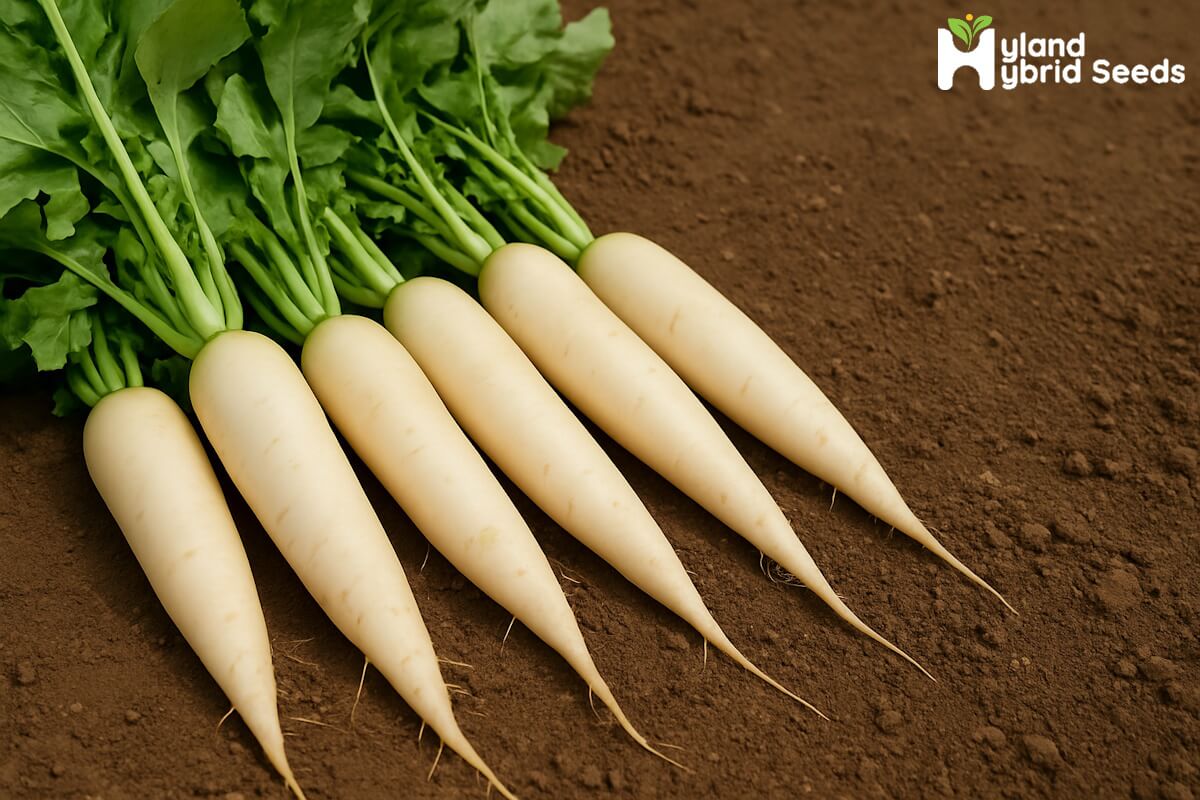
Growing two crops in a single season sounds like a challenge. And it is — if you’re working with plants that take forever to mature, demand tons of water, or eat up all your nutrients before the second crop even hits the ground.
That’s why smart growers are picking crops that grow fast, sell quickly, and fit neatly into the spaces between bigger harvests. Radish farming checks all those boxes.
If you’re looking to make more money without expanding your land, trying to increase productivity from the same plot, or want a quick cash-generating crop between your major planting windows, you need to take a serious look at radish.
Let’s talk about why radish farming is one of the most underrated but effective tools for 2-cycle growers.
Need reliable radish seeds for your next crop cycle?
What Makes a Crop 2-Cycle Friendly?
Before diving into radishes, it helps to understand what kind of crops work well in a two-cycle plan.
To succeed with 2-cycle farming, you need crops that:
-
- Mature quickly (less than 60 days, ideally under 40)
-
- Don’t require heavy irrigation or constant management
-
- Leave the soil healthy enough for the next cycle
-
- Have decent market demand and low risk of spoilage
That narrows down the list a lot.
Radishes hit every one of those marks.
Why Radish Farming Works So Well in a 2-Cycle System
You don’t need a fancy setup or a massive investment. Radishes are quick, cheap to grow, and flexible with planting times. Most importantly — they pay back fast.
Let’s break down how and why.
1. Extremely Short Maturity Period
Most radish varieties are ready to harvest in 25 to 35 days. That gives you serious flexibility. You can squeeze in a radish crop between almost any two major plantings — spring and summer, or summer and fall.
Even if you’re a smaller grower running with limited land, this timing gives you an easy way to stack harvests without delaying your main cash crops.
Some growers even use radish as a pre-crop to test field conditions, clear weeds, or prep soil biologically before the big stuff goes in.
2. Low Input, Low Hassle
No complicated irrigation systems. No high-maintenance nutrition plans.
Radishes don’t need a lot. Just loose soil, consistent moisture, and good drainage. You won’t be running up fertilizer costs or needing fancy pesticides if you do basic field hygiene.
This is why radish farming works great even for part-time growers, beginners, or people scaling from a small homestead to a market garden.
And it’s not just about cost — it’s also about time. You can care for a quarter acre of radishes in a few hours per week, freeing you up to focus on your other crops.
3. Fits Right Between Long Crops
Radishes grow in cooler temperatures, which gives them more planting window options.
Let’s say you harvest your potatoes in early July. You might not be putting in fall crops until late August. That’s a perfect 30-40 day gap. Drop in a radish crop, and you’re turning a gap into a paycheck.
Other great spots to plant radish:
-
- After early-season greens like lettuce or spinach
-
- Before tomato or pepper transplants go in
-
- After monsoon rice (in subtropical zones)
-
- As a catch crop between pulses or legumes
Two-cycle farming depends on having crops that can hit tight planting windows. Radishes make that easy.
Choosing the Right Radish Seeds
Let’s be clear — your crop is only as good as your seed.
Not all radish seeds are equal. Some bulk seeds are cheap, but you’ll end up with patchy germination or uneven size. That throws off your entire harvest and cuts into profits.
Here’s what to check before buying:
-
- Germination Rate: Aim for 90%+
-
- Uniformity: Roots should grow at a similar pace and size
-
- Disease Resistance: Especially to downy mildew, root rot, and fusarium
-
- Market Fit: Choose based on what sells locally — red globe, white icicle, long Asian types, etc.
Always buy from a trusted radish seeds supplier — not just the cheapest one. Ask about trial reports or local recommendations. Good seeds are the cheapest insurance you can buy.
Confused about which radish seeds are right for your region?
Which Varieties Are Best for Fast Turnaround?
Different markets prefer different types of radishes. Here are a few popular ones known for quick maturity:
-
- Cherry Belle – Small, red, round roots. Ready in 22-25 days.
-
- French Breakfast – Mild, crunchy, oblong type. Matures in about 28 days.
-
- White Icicle – Long, white roots. Can reach 6 inches. Harvest in 30-35 days.
-
- Daikon (Short Varieties) – Matures in 40-50 days. Better for bulk markets.
Pick one that matches your soil, climate, and buyer preference. If your market prefers crisp, white varieties, don’t waste time planting red ones.
How Much Can You Actually Earn?
Let’s talk numbers. What kind of return can radish farming give you in just one short cycle?
Here’s a rough breakdown for 1 acre of land in India.
Input Costs:
-
- Radish seeds: ₹2,000–₹3,500 (depending on variety and radish seeds supplier)
-
- Fertilizers and basic inputs: ₹1,500–₹2,000
-
- Labor (if hired): ₹4,000–₹6,000
-
- Irrigation, prep, etc.: ₹1,000–₹1,500
Total cost per acre: Roughly ₹8,000 to ₹13,000
Average Yield:
-
- 8 to 10 tonnes per acre (that’s 8,000 to 10,000 kg)
Market Price:
-
- ₹8 to ₹18 per kg, depending on location, season, and quality
Now do the math.
Revenue Possibilities:
-
- Lower end: 8,000 kg × ₹8 = ₹64,000
-
- Higher end: 10,000 kg × ₹18 = ₹1,80,000
Estimated Net Profit
After expenses, you could earn anywhere between ₹50,000 to ₹1,60,000 per acre per cycle.
Even if you land somewhere in the middle, that’s a strong return — and it all comes within 30 to 40 days.
Radish is one of those rare crops where your input cost is low, the effort is manageable, and the market is stable. It might not be your biggest moneymaker, but it’s definitely one of the quickest.
And when you stack it with another seasonal crop? That’s where it really pays off.
Common Mistakes to Avoid
Radish is easy to grow, but you can mess it up if you’re not paying attention.
Overcrowding
Planting too close leads to small, deformed roots. Stick to proper spacing — usually 2-3 inches apart.
Inconsistent Watering
Too dry, and radishes go woody. Too wet, and they crack. Keep soil evenly moist.
Poor Drainage
This is a root crop. It hates standing water. Make sure you’ve got raised beds or well-drained soil.
Using Bad Seed
Already said it, but it’s worth repeating. Poor-quality radish seeds ruin entire crops. Stick to a professional radish seeds supplier with a solid rep.
Who Should Be Growing Radish?
Honestly? Just about anyone.
-
- Market gardeners looking to fill in harvest gaps
-
- Small landholders trying to boost income without taking on debt
-
- New growers who want fast results and a low-risk crop
-
- Experienced farmers aiming for better seasonal efficiency
-
- Organic farms needing a quick cash crop with limited chemical use
You don’t need fancy tools. You don’t need years of experience. Just good seed, basic soil prep, and some consistency.
Final Thoughts: Why Radish Deserves a Spot in Your Crop Plan
There’s no magic crop that guarantees riches — but radish comes pretty close if you play it right.
It grows fast, sells quick, needs little babysitting, and fits beautifully into a 2-cycle strategy. Whether you’ve got a backyard garden or a multi-acre field, radishes give you flexibility and fast returns.
It’s not just filler — radish farming can be a reliable income booster when other crops are still in the ground.
Ready to add radish to your crop rotation and boost your income?