
How to Select Cotton Seeds for Low Rainfall & Drought-Prone Areas
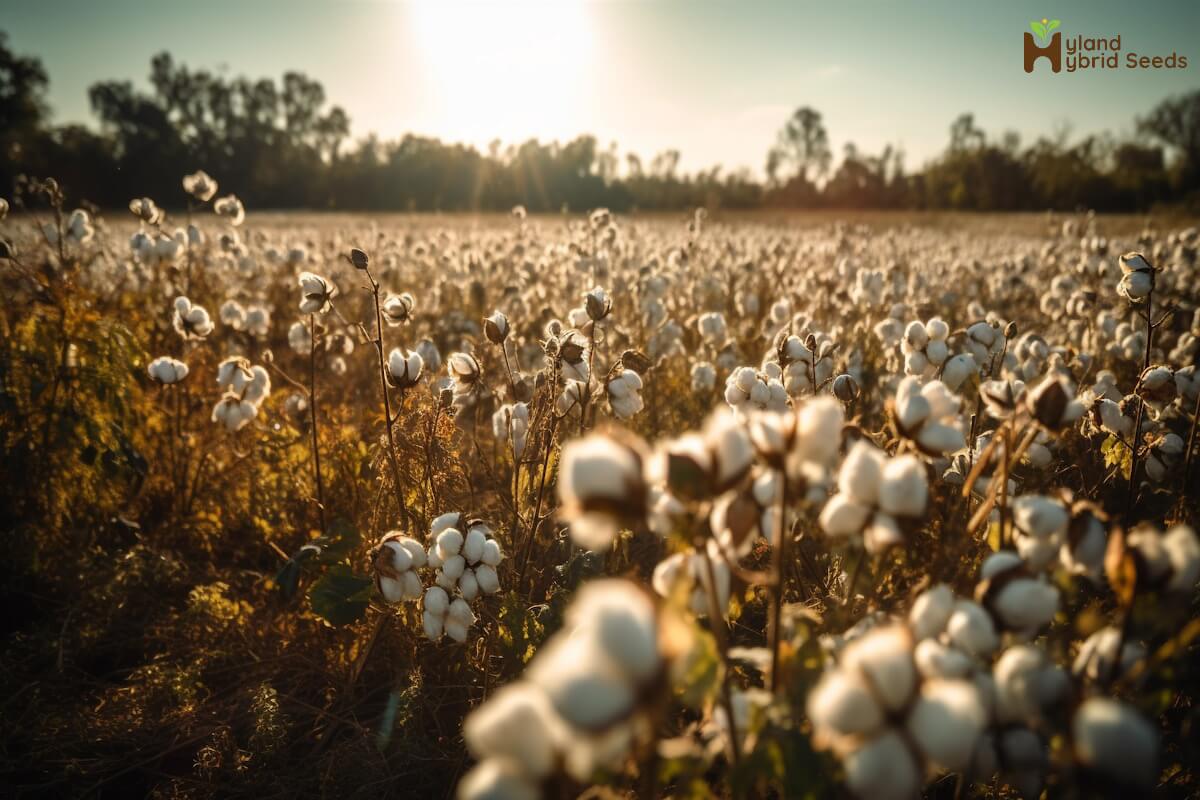
Growing cotton in a dry area isn’t easy. When rainfall is unreliable and the sun won’t quit, you can’t afford to make the wrong seed choice. It’s not just about yield. It’s about survival, stability, and getting at least something back from a hard season. So, what’s the move? You need seeds that don’t give up when the weather turns harsh. And you need a plan that works in real-world conditions — not just on paper. Here’s everything you should know before buying cotton seeds for low rainfall areas.
Why Seed Selection Makes or Breaks a Cotton Crop in Dry Zones
When you farm in drought-prone regions, there’s no room for lazy decisions. You’re already working with less — less rain, less water storage, less flexibility. So every single input has to count, especially the seed. The right cotton seed variety can do a lot:
- Survive longer without irrigation
- Resist heat stress
- Mature faster before dry spells intensify
- Handle soil with lower moisture levels
- Protect itself better against pests
If you’ve ever watched a field fail because of poor seed choice, you know how fast things can go downhill. It’s painful. And avoidable. That’s why it makes sense to start with cotton seeds for low rainfall, right out of the gate.
Struggling with dry weather and poor yields? Choosing the right cotton seed can change everything.
What Traits to Look for in Cotton Seeds for Dry Conditions
Not all cotton varieties are built for dry zones. Some need regular watering. Others can’t handle scorching temperatures or low-moisture soil. So, how do you pick the right kind?
1. Drought Tolerance
Look for cotton seeds that are known to perform in dryland conditions. These varieties often develop deeper root systems that pull water from further underground. They also tend to be better at holding moisture within plant tissue.
2. Early Maturity
The longer the crop stays in the field, the more water it needs. Early-maturing varieties cut down on water use and finish their cycle before the worst drought conditions hit. These are perfect for areas with short or patchy monsoon seasons.
3. Heat Resistance
Heat is a silent killer in cotton farming. It affects boll retention, flower formation, and overall health. Seeds with proven heat resistance don’t panic when temperatures go up. They stay stable, even when the soil’s dry and the air’s hotter than usual.
4. Boll Count Under Stress
Many hybrid cotton seeds are tested for yield potential. But how many bolls can they produce under low water conditions? That’s the real question. Ask for those numbers, not just yield under ideal irrigation.
5. Built-In Pest Resistance
Drought-stressed crops are more vulnerable to pests. That’s why many farmers in dry zones go with hybrid cotton seeds that already carry resistance to key threats like bollworms or aphids. This reduces the need for constant spraying and saves water.
Hybrid Cotton Seeds vs Traditional Varieties: What’s Better for Dry Zones?
There’s a lot of debate around this, but here’s a straightforward take. Traditional varieties:
- Often cheaper
- Familiar to older farmers
- Sometimes more resilient in native soil
- Lower input cost
Hybrid cotton seeds:
- Higher yield potential
- Often better resistance to pests and disease
- Many are bred for stress tolerance
- Faster growth cycles in some cases
In drought-prone areas, hybrid cotton seeds are usually a safer bet. They’re developed with performance in mind. Many are specifically designed to handle limited water, extreme heat, or both. Still, don’t just pick any hybrid. Not all hybrids are suited for dryland farming. You need the right match for your soil, climate, and available water.
Questions to Ask Your Cotton Seeds Supplier Before Buying
Don’t just walk into the store, grab a bag, and hope for the best. Your seed choice needs to be intentional. That starts with asking the right questions. Here’s what to ask your cotton seeds supplier:
- “Which of your varieties are best for low rainfall or dryland farming?”
- “How deep do the roots grow in this variety?”
- “What’s the average boll count in low-water conditions?”
- “Does this seed have resistance to common drought pests?”
- “How long is the maturity cycle?”
- “Any local farmers using this already? What’s their feedback?”
If your supplier can’t answer these questions clearly, that’s a red flag. A good cotton seeds supplier will know the technical and practical performance of their products. Don’t settle for vague answers like “it’s good” or “lots of people buy it.”
Too many cotton seed options and not sure what fits your field?
Soil Prep Tips That Help Cotton Grow with Less Water
Picking the right seed is half the work. The rest depends on how you prep your land. Even with drought-tolerant seeds, your soil needs to work harder in dry conditions. Try these:
- Add organic matter: Compost and green manure help the soil hold water longer.
- Use mulching: Covers the soil, reduces evaporation.
- Minimal tilling: Helps retain moisture and prevents breakdown of soil structure.
- Check soil pH: Some cotton varieties don’t do well in very acidic or alkaline soils.
If you’ve got sandy or rocky soil, be even more cautious. These drain water fast. Consider seed varieties that have performed well in poor soils with limited water.
Consider Running Mini Field Trials
Don’t gamble your whole field on a new variety right away. That’s risky, even if the seed sounds great. Run a mini trial:
- Set aside a small plot
- Plant the new seed alongside your regular one
- Compare how both perform over the season
- Track boll development, water use, and plant health
This gives you real data from your own field, not a brochure. It’s the best way to test if those cotton seeds for low rainfall are actually worth the switch.
Smart Practices to Stretch Limited Water
Got some drip or furrow irrigation? Great. Still, use it carefully. Here are a few water-saving habits:
- Irrigate at cooler times like early morning or late evening
- Alternate row watering cuts total water use
- Fix leaks in pipes or drip lines fast
- Avoid water-loving weeds that compete with your crop
These practices help your seeds do more with less. Combine them with smart seed selection and you’ll start seeing better results, even in tough years.
What Not to Do When Choosing Cotton Seeds for Dry Zones
Quick checklist of mistakes to avoid:
- Don’t choose seeds just based on price
- Don’t buy without checking maturity period
- Don’t skip resistance features (pests, heat, etc.)
- Don’t assume what worked in another district will work in yours
- Don’t forget to talk to experienced local farmers
You don’t need a perfect seed. You just need one that gives you the best shot in your conditions.
Final Thoughts: Your Season Starts with the Right Seed
If you’re farming in an area with low or unreliable rainfall, your cotton crop depends heavily on one decision — the seed. Go for tested cotton seeds for low rainfall that are designed to perform when water is scarce. Consider hybrid cotton seeds with added protection and higher boll output under stress. And don’t just buy from anyone — a reliable cotton seeds supplier will give you the info you need to make the right call. At the end of the day, the right seed won’t do magic. But it will give you a solid starting point. Combine that with smart farming, good soil prep, and careful water use — and you’re setting yourself up for a better season.
Still unsure which cotton seed to pick for your low rainfall area?