
Why Cotton Farmers Are Switching to Early Maturing Hybrid Varieties
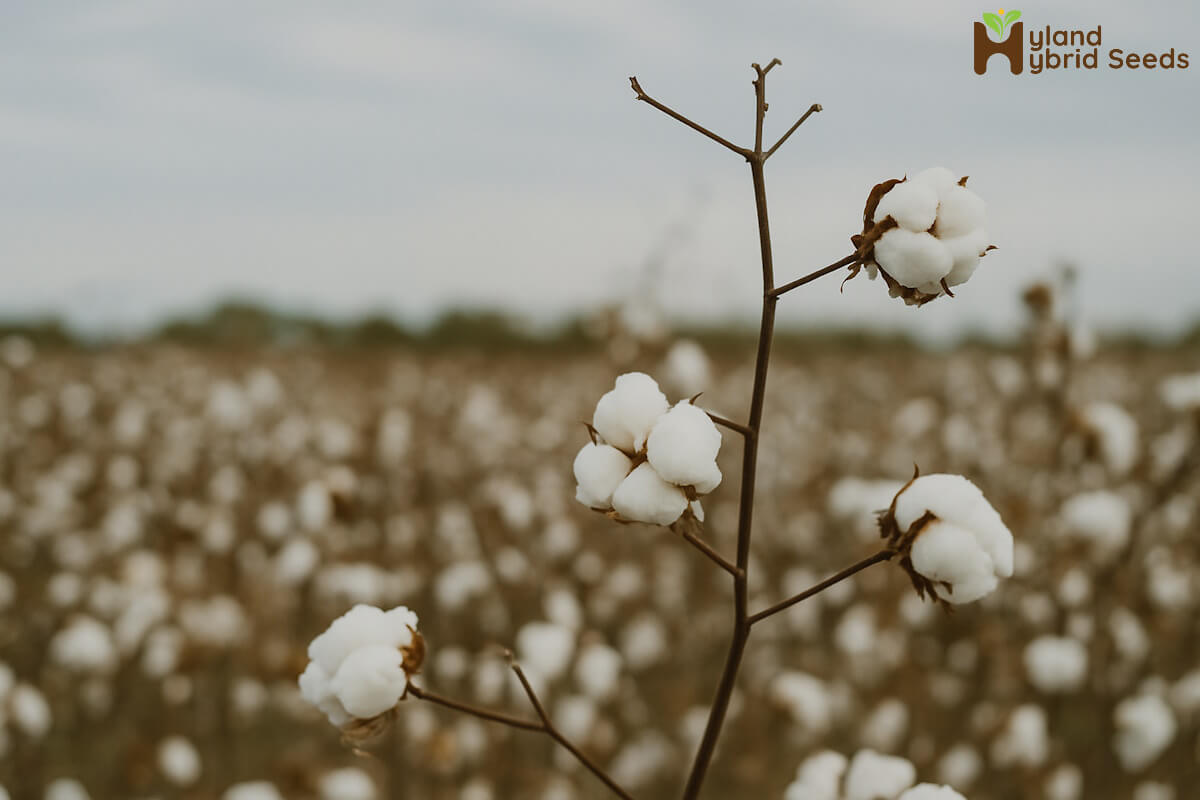
Farming has always been about making tough choices. You work with what you’ve got—land, weather, labor, and time—and try to squeeze the most out of every season. For many cotton farmers, the choice to switch to early maturing hybrid varieties isn’t just a trend. It’s a practical response to a growing list of problems.
Let’s break it down. Why are so many farmers making this switch? What’s really pushing the move away from traditional cotton varieties?
The reasons are real—and stacking up fast.
Thinking about switching to early maturing cotton seeds?
The Clock Is Ticking: Weather Doesn’t Wait
The one thing you can’t control is the weather. And lately, it’s been a rollercoaster.
Long dry spells followed by sudden storms. Early frost. Heat waves that come out of nowhere. It’s getting harder to rely on the seasons you used to plan around.
That’s where early maturing hybrids come in. These cotton seeds are bred to complete their growth cycle faster. You plant, you water, you manage the crop—and then you harvest earlier than you would with traditional seeds.
Why does that matter? Because when cotton stays in the field too long, it’s exposed to more risk. Heavy rains at the wrong time can flatten your plants. An early cold snap can shut down growth. The longer the crop is out there, the more you roll the dice.
Early maturing hybrids help you get out ahead of those risks. They don’t fix the weather, but they shorten your exposure to it.
Labor Is Short, and It’s Not Getting Easier
Talk to any farmer—finding help when you need it is getting harder. Skilled labor is shrinking, and even seasonal workers are tougher to secure.
Cotton doesn’t wait. When it’s ready to be picked, you move. Delay it too long, and quality drops fast.
The benefit of early maturing hybrids is that they make your harvest window tighter and more predictable. You don’t have to stretch out labor over weeks and weeks. You can plan better, bring in a crew for a shorter period, and get the job done quicker.
For many cotton farmers, that flexibility is huge. It cuts down on overtime, simplifies scheduling, and reduces stress when every hand counts.
Hybrid Cotton Seeds Are Boosting Yields
Many of the newer early maturing hybrid cotton seeds are turning in solid numbers. Not just faster growth—but more bolls per acre, stronger fiber quality, and consistent performance across different soil types.
This is where your choice of cotton seeds supplier plays a big role.
Not all hybrids are created equal. The good suppliers are putting out hybrid cotton seeds that are field-tested and region-specific. They know what works in dry climates, what performs best in high-rainfall zones, and what can handle marginal soils without falling apart mid-season.
The results speak for themselves—farmers switching to hybrid cotton seeds from trusted cotton seeds suppliers are seeing better returns with fewer inputs.
Less Time in the Field = Less Pest Damage
Every extra week your crop is out there is another week for pests to cause damage. And cotton has no shortage of enemies—bollworms, aphids, whiteflies, you name it.
By maturing faster, hybrid cotton varieties reduce the window for infestation. You’re not giving pests a full buffet season—they’ve got less time to feed, breed, and spread.
That doesn’t mean you can skip pest management. You’ll still need to scout, spray when necessary, and stay alert. But the shorter season helps. You spend less on pesticides, and your crop has a better chance of making it through clean.
And in areas where resistance is a growing problem, fewer sprays mean less pressure on the system.
Cotton Farmers Are Chasing Better Market Timing
Here’s something most non-farmers don’t think about: cotton prices change based on timing.
If you hit the market early—before most of the crop comes in—you often get a better price. Supply is low, demand is steady, and buyers are willing to pay a bit more.
Wait too long, and you’re competing with everyone else. Prices dip, buyers get picky, and your margins shrink.
Early maturing hybrids help you beat the rush. You can get your bales to market first, lock in higher prices, and take some of the pressure off during the peak.
Smart cotton farmers are watching those trends. They’re not just focused on growing—they’re focused on selling.
Confused by too many seed options? Get expert advice on which hybrids would perform on your land.
Seed Customization Is Improving Outcomes
One of the biggest shifts in the seed world is how personalized it’s become. Years ago, farmers picked from a short list of options. Now, top cotton seeds suppliers are offering hybrids tailored to specific challenges—drought tolerance, disease resistance, short-season zones, you name it.
And it’s not all about fancy traits. It’s about picking the right mix for your soil, water availability, and expected season length.
A cotton farmer in West Texas doesn’t need the same seed as someone in southern Georgia. The better suppliers understand that and provide options built for real-world conditions.
That flexibility means more success stories. And that’s why word-of-mouth around hybrid cotton is growing fast.
Saving on Inputs Without Sacrificing Yield
Inputs aren’t cheap. Fertilizer, water, diesel—every part of running a cotton farm costs more now than it did five years ago.
Longer growing cycles eat up more resources. More irrigation rounds. More feeding. More tractor passes.
Shorter cycles help trim those expenses. You still need to feed the crop, but you do it over a shorter time. You can manage weeds more efficiently. You can plan your spray schedule more effectively.
For cotton farmers working on tight budgets, that’s real value. It’s not just about lowering costs. It’s about spending smarter and getting more for every dollar.
Farmers Trust What They Can See
Nobody makes a switch just because someone told them to. Most cotton farmers who made the jump to hybrids did it after seeing results—on their own fields or on their neighbors’.
They tried a few acres. Watched closely. Compared bolls. Measured yield.
Once the numbers came back, a lot of the hesitation disappeared.
The shift didn’t happen overnight. But once growers saw they could harvest earlier, pull decent yields, and worry less about pests or weather, the decision felt obvious.
Now, it’s becoming the norm. And more farmers are getting curious.
Thinking About Switching? Start Small, But Start Smart
If you’re a cotton grower still using traditional varieties, this isn’t about pushing you to change everything overnight.
Try a test plot with a good hybrid. Pick a cotton seeds supplier that actually listens and gives you data—real performance, not brochure talk.
Ask questions. Compare harvest dates. Look at fiber length, boll distribution, and field consistency.
You don’t have to take a leap. But taking a step? That could be the start of something better for your bottom line.
Real Reasons. Real Results.
So why are cotton farmers switching to early maturing hybrid varieties?
Because they’re practical. They help manage risk, reduce pressure, and improve yields. They make harvest season easier and offer a chance to hit the market sooner. They’re not perfect, but for a growing number of farmers, they’re a smarter fit for the challenges they’re facing.
If you’re stuck dealing with weather delays, labor shortages, rising costs, or just feeling squeezed from all sides—maybe it’s time to see what these hybrids can do for you.
No gimmicks. Just better timing, better planning, and better chances at a solid harvest.
Ready to grow hybrid cotton? Choose best hybrid seeds from reliable supplier.